By Elonkayl — Updated Oct. 16, 2025
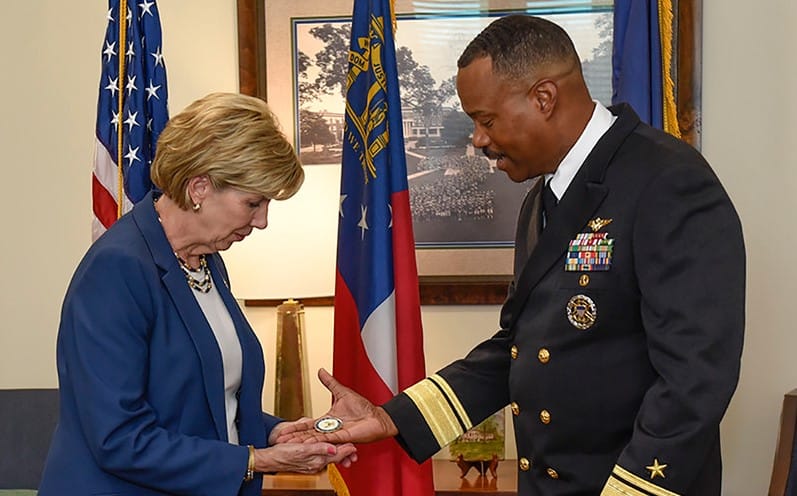
Admiral Alvin Holsey, the four-star Navy officer who has led U.S. Southern Command (SOUTHCOM) since November 2024, announced he will retire at the end of the year — an unusually short tenure for a post that typically lasts three years. The announcement, made publicly by Defense Secretary Pete Hegseth and in a message from Holsey himself, comes amid heightened scrutiny of U.S. military operations in the Caribbean and rising political tensions over recent strikes on suspected drug-smuggling boats. AP News+1
Key facts
- Announcement date: Oct. 16, 2025 (public statements and media reports). ABC News+1
- Effective retirement: Holsey said he will retire effective Dec. 12, 2025. DefenseScoop
- Position: Commander, U.S. Southern Command (SOUTHCOM); he took command in November 2024. USNI News
- Service: More than 37 years in the U.S. Navy; career includes senior Navy and joint commands. DefenseScoop
The immediate context: strikes, politics, and scrutiny
Holsey’s departure follows a series of U.S. strikes in the Caribbean against small vessels the U.S. government says were trafficking drugs — operations that have resulted in multiple deaths and drawn bipartisan attention on Capitol Hill and sharp criticism from Venezuela. These operations have been part of a broader, more aggressive posture in the administration’s campaign against narcotics shipments in the region. Reporting on the departure repeatedly notes the timing amid that controversy. Politico+1
Members of Congress have demanded more information about the legal basis and oversight for the strikes; Democrats have raised questions about international law and civilian harm, while some Republicans have pressed the administration for details about authorization and objectives. The political scrutiny has made SOUTHCOM’s operations a focal point for oversight and debate. Politico+1
What officials said
- Defense Secretary Pete Hegseth announced Holsey’s retirement on social media and praised his 37 years of service, thanking Holsey and his family for their contributions. The public statement did not offer a reason for the early departure. DefenseScoop
- Adm. Alvin Holsey posted his own message of gratitude and confirmed his retirement date, saying it had been an honor to serve and expressing confidence in SOUTHCOM’s future. Again, Holsey’s statement did not cite a specific reason for leaving earlier than typical for the post. DefenseScoop+1
Multiple outlets describe the announcements as terse and lacking explanation; some reports indicate the move was “abrupt” or “unexpected,” given Holsey had been in the post for roughly a year. Politico+1
Possible explanations — and what we don’t know
At this stage there is no official explanation linking Holsey’s retirement to any single policy dispute or operational decision. Media coverage and commentary have offered several possible frames:
- Operational strain and controversy: The timing amid contentious strikes and an elevated operational tempo in SOUTHCOM’s area of responsibility has invited speculation that the policy environment — and pushback from Congress and partner nations — contributed to the decision. Politico+1
- Personnel churn in senior ranks: Holsey’s departure follows a period of unusually high turnover in senior U.S. military leadership that commentators say has been accelerated in the current administration, prompting questions about institutional continuity. Politico
- Personal decision: Public statements from Holsey emphasize pride in service and do not indicate disagreement with policy; retirement at the end of the year could reflect a personal choice after 37 years. Holsey and the Pentagon have not said otherwise. DefenseScoop
It is important to separate verified facts (the announced retirement and its effective date) from analysis and speculation. Journalists and analysts will continue to press for documents, testimony, and interviews that might clarify causation. Navy Times+1
Implications for SOUTHCOM and U.S. policy in the hemisphere
- Short-term leadership transition: SOUTHCOM will need a successor named and vetted; transitions in combatant command leadership affect continuity in operations, particularly during high-intensity efforts such as counter-narco missions. The Pentagon customarily names acting or interim leaders while a permanent replacement is nominated and confirmed. USNI News+1
- Congressional oversight: Holsey’s departure is likely to intensify congressional interest in both operational details and the chain of command authorizations for recent strikes. Expect hearings, requests for briefings, and possibly legislation or inquiries tied to use-of-force and oversight. Politico
- Regional dynamics: South American and Caribbean partners — some of whom have already expressed concern about escalatory actions in the region — will be watching for continuity in U.S. engagement and coordination, including cooperation on counternarcotics, humanitarian assistance, and maritime security. The Guardian
- Institutional morale and messaging: Rapid changes at senior levels can affect morale within a command and shape the Pentagon’s messaging to allies, partners, and domestic audiences. How quickly and transparently the Defense Department manages the transition may influence perceptions of U.S. military stability in the hemisphere. Politico+1
Quick look at Admiral Holsey’s career
Admiral Holsey is a Morehouse College graduate and a naval aviator whose 37+ years include command of Carrier Strike Group One, senior personnel roles, and significant joint assignments. He became SOUTHCOM commander in November 2024 after serving as the command’s military deputy. Holsey has been one of the more prominent Black four-star officers in the U.S. military and has been noted for both operational leadership and engagement with partner nations in the region. DefenseScoop+1
What to watch next
- Pentagon guidance on successor nomination and interim leadership arrangements; look for formal announcements from the Department of Defense. DefenseScoop
- Congressional action: hearings or letters seeking classified and unclassified briefings on the strikes, legal authority, and civilian harm assessments. Politico
- Regional reaction: statements from Caribbean and Latin American governments and partner militaries about continuity and cooperation with SOUTHCOM. The Guardian
Bottom line
Admiral Alvin Holsey’s announced retirement — effective Dec. 12, 2025 — is a notable and unexpected leadership change at a time when SOUTHCOM is conducting controversial operations in the Caribbean. Public statements from Holsey and the Pentagon have praised his service but offered no specific reason for the early exit; reporters and lawmakers will be seeking documentary and testimonial clarity in the days ahead. Until more information is released, explanations remain a mix of verifiable fact and informed analysis. AP News+1
Sources (selected)
Reporting and official statements cited in this article include coverage and reporting by the Associated Press, Politico, The Guardian, USNI News, and Navy Times. Navy Times+4AP News+4Politico+4