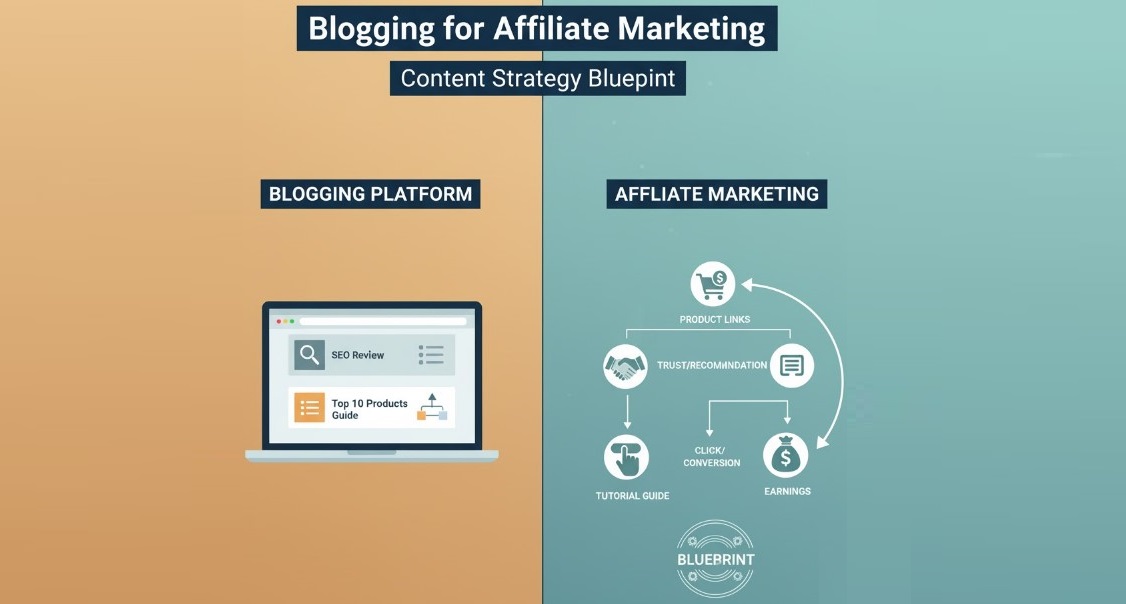
Introduction: Affiliate Marketing Through Blogging
Affiliate marketing remains one of the most lucrative ways to monetize a blog in 2025.
But success isn’t just about adding affiliate links — it’s about strategic content planning, audience trust, and long-term value.
“Affiliate marketing works when your content solves problems and guides decisions,” says Lucas Martinez, a digital marketing consultant.
“Without a strategy, even the best products won’t sell.”
This article provides a step-by-step blueprint for creating a blog that consistently drives affiliate revenue.
1. Understanding Your Niche and Audience
Before creating content, you must know your audience and their needs.
Key steps:
- Identify pain points: What problems does your audience face?
- Determine intent: Are they looking to learn, compare, or buy?
- Segment readers: Beginners, advanced users, or experts?
Human example:
Amira, a health and wellness blogger, segmented her audience into “newbies” and “experienced enthusiasts.” She created beginner guides with affiliate links to fitness equipment and advanced posts with supplements recommendations. Her CTR doubled in six months.
2. Choosing Affiliate Programs Strategically
Select programs that align with your content and audience:
- High relevance: Products must solve real problems for your readers.
- Reputable merchants: Builds trust and avoids refund issues.
- Competitive commission: Ensure a balance between value and revenue potential.
Tip: Avoid linking to every product — focus on quality recommendations for credibility.
3. Mapping Out Your Content Strategy
Affiliate content should mix educational, comparison, and review posts to guide readers through the buying journey.
3.1 Content Types
| Type | Purpose | Example |
|---|---|---|
| How-to Guides | Solve problems & educate | “How to Set Up a Home Gym on a Budget” |
| Product Reviews | Build trust & guide decisions | “Top 5 Fitness Trackers in 2025” |
| Comparisons | Help decision-making | “Peloton vs Echelon: Which Bike is Worth It?” |
| Listicles | Provide options & recommendations | “10 Must-Have Kitchen Gadgets for Busy Professionals” |
| Tutorials with Affiliate Links | Teach and monetize | “Step-by-Step: Meal Prep With Recommended Containers” |
4. SEO Strategy for Affiliate Blogging
Evergreen traffic is crucial for affiliate revenue.
Key SEO tips:
- Keyword research: Target long-tail, purchase-intent keywords.
- Internal linking: Connect product pages, reviews, and guides.
- Content clusters: Organize posts around core topics for authority.
- Schema markup: Help search engines display product ratings and reviews.
Human example:
Leo, a tech blogger, clustered all his “Smart Home Devices” content. His review posts ranked consistently for 2025 product searches, boosting affiliate income by 30%.
5. Building Trust With Your Audience
Affiliate revenue relies on trust.
- Honest reviews: Include pros and cons.
- Transparency: Disclose affiliate links.
- High-value content: Offer insights beyond just recommending products.
Example:
Amira added video demonstrations in her product posts. Readers trusted her recommendations more and purchased through her links.
6. Promotion Beyond the Blog
Traffic isn’t automatic. Promote your content strategically:
- Email newsletters: Send product guides or new reviews.
- Social media: Repurpose posts for Instagram, TikTok, and Pinterest.
- Content syndication: Medium, LinkedIn, or niche communities.
- SEO-driven organic traffic: Long-term visibility is the backbone of affiliate blogging.
Human insight:
Lucas, the digital marketing consultant, notes:
“Organic traffic compounds over time, but email and social media amplify immediate conversions.”
7. Monetization Tactics
- Direct affiliate links in product reviews.
- Lead magnets to capture emails and nurture readers with affiliate funnels.
- Comparison charts and tables with affiliate products.
- Sponsored affiliate campaigns with brands after traffic growth.
Pro tip: Track clicks, conversions, and revenue per post using tools like ThirstyAffiliates, Pretty Links, or Google Analytics.
8. Human Experiences: Lessons from Successful Bloggers
8.1 Consistency Pays Off
Emily, a personal finance blogger, published one affiliate-focused post per week for a year.
- Outcome: Steady organic traffic built trust, resulting in consistent affiliate commissions.
8.2 Quality Over Quantity
David, a productivity blogger, focused on 20 well-researched product review posts rather than dozens of thin content posts.
- Outcome: Higher conversion rate, long-term traffic, and minimal refunds.
8.3 Content Repurposing
Sara, a lifestyle blogger, turned reviews into YouTube videos and social snippets.
- Outcome: Expanded audience and increased affiliate revenue by 40%.
9. Measuring and Optimizing Performance
Track and optimize:
- CTR and conversions for each affiliate link
- Page performance: Time on page, bounce rate
- Revenue per post: Focus on top-performing content
- A/B testing: Headlines, CTAs, and link placements
Pro tip: Regularly update your affiliate posts to maintain rankings and relevance.
10. Key Takeaways
- Identify your audience and niche before monetizing.
- Select high-quality affiliate programs aligned with your blog.
- Plan content clusters around guides, reviews, comparisons, and listicles.
- Build trust and credibility — transparency and value are crucial.
- Promote via SEO, email, social media, and syndication.
- Track performance and optimize consistently.
Affiliate blogging is not a get-rich-quick method. It’s a strategic, long-term content game.
Conclusion: Build a Content-First Affiliate Blog
Affiliate marketing works best when content guides, educates, and inspires action.
By following this blueprint:
- Your blog gains authority
- Traffic grows organically
- Revenue scales predictably
“Affiliate marketing success comes from strategic content, not spammy links,” says Lucas Martinez.
“Start with value, and the conversions will follow.”