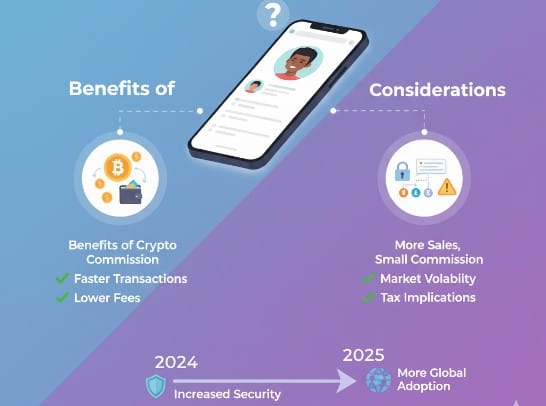
Cryptocurrency payments are no longer a fringe perk — in 2025, many exchanges, wallets, and crypto services offer affiliate programs that pay commissions in crypto or pay out quickly to crypto wallets. For affiliates who want faster payments, exposure to digital assets, or a crypto-native audience, these programs are attractive — but they come with tax, volatility, and compliance trade-offs you must understand.
This long, practical guide walks you through the landscape, explains how payouts work, shows which programs to consider, and gives actionable tips to promote crypto affiliate offers safely and profitably.
Quick overview — why crypto payouts matter
- Faster, borderless payments: Many crypto programs pay quickly and globally without bank delays.
- Appeal to crypto audiences: Paying in BTC/ETH/USDC resonates with Web3 users and builds trust.
- Volatility & tax implications: Crypto payouts expose affiliates to price swings and jurisdictional tax rules — so proceed informed.
How affiliate payouts in crypto typically work
- Direct crypto payments (BTC/ETH/stablecoins): The merchant transfers crypto tokens to your wallet address. Some exchanges pay commissions directly in a token (e.g., BTC, BNB, USDT, or USDC).
- Fiat-denominated payouts with crypto option: The program calculates your earnings in fiat but offers you the choice to receive the equivalent value in crypto.
- Exchange credit / account balance: Commissions appear as a balance in your exchange account (sometimes already in a stablecoin), which you can withdraw as crypto or fiat.
- Hybrid payouts: Part crypto / part fiat or rewards + crypto bonuses.
Why the difference matters: token payouts expose you to market risk; stablecoin payouts (e.g., USDC) keep value stable but carry custodial and regulatory nuances.
Programs that pay (or can pay) in crypto — quick shortlist (2025)
Note: commission structures and payout options change frequently. Always confirm current terms on the provider’s official affiliate page before promoting.
- Binance Affiliate Program — industry-leading commissions (up to ~50% revenue share on trading fees for qualified referrals) and crypto-oriented rewards. Great for high-volume crypto audiences. Binance+1
- Coinbase Affiliate / Referral — attractive trading-fee share offers (historically up to 50% on certain terms) and strong brand recognition; payouts often in fiat but some partnership programs and promos link to crypto rewards. Coinbase+1
- KuCoin, Bybit, OKX, MEXC, Bitget, Gate.io, Kraken — most major exchanges run affiliate/referral programs with options for crypto-credited commissions or fast conversion to crypto balances. These programs frequently feature generous revenue shares or CPA models. NFT Evening+1
- Specialist wallets & apps (Zengo, RockWallet, Ledger partners, RockWallet, CoinLedger, etc.) — smaller players sometimes pay fixed BTC/BCH rewards per referral or fiat equivalents paid in crypto. rockwallet.com+1
(These examples reflect public program pages and industry roundups as of 2025 — check program T&Cs for payout currency, minimums, and KYC.)
Case study — how affiliates use crypto payouts
Case A — “Crypto Blogger” (High-volume, crypto-native)
- Promotes Binance & OKX tutorials and on-ramp guides.
- Uses affiliate links in how-to content and YouTube walkthroughs.
- Payouts credited to exchange balances then converted to USDC and staked — using crypto payments to amplify yield.
Case B — “Finance Creator” (Mainstream audience)
- Promotes Coinbase and a crypto tax tool.
- Chooses fiat payout where available to avoid volatility exposure for their accounting.
- Uses a hybrid approach: accepts occasional crypto bonuses for special promotions, but records value immediately for tax reporting.
Lessons: accept crypto payouts only with a plan (hold, convert, stake) and clear accounting.
What to check before joining a crypto-paying affiliate program
- Payout currency & timing — Crypto token, stablecoin, or fiat? How often are commissions paid? (daily/weekly/monthly)
- Minimum payout thresholds — Are there minimum balances before withdrawal in crypto?
- KYC & AML requirements — Many exchanges require KYC before withdrawals — this affects your ability to receive/convert funds.
- Tax reporting & invoicing — Who provides receipts and tax docs? How will you report crypto receipts?
- Chargebacks & reversals — Some affiliate models allow retroactive adjustments if referrals are cancelled.
- Geographic restrictions — Some programs restrict users in certain countries; affiliate eligibility may differ.
- Commissions model — Revenue share, CPA, flat referral fee, or multi-tier (sub-affiliates)?
- Program reputation & compliance — Work with exchanges and wallets that are reputable and have robust compliance practices.
Legal, tax & accounting essentials (do not skip)
- Treat crypto payouts as taxable events. In most jurisdictions, receiving crypto as income is taxable at the fair market value at receipt. Later disposal or conversion may trigger capital gains. Keep detailed records (date, token, FMV, wallet addresses). (This is general guidance — consult a tax pro.)
- Regulatory risk: Crypto rules are evolving. Exchanges may suspend services, restrict withdrawals, or change payout methods under regulatory pressure. That can affect your ability to cash out.
- Invoicing & business structure: If you operate as a business, route affiliate payouts through a business account or entity and get professional bookkeeping.
- KYC & AML: Many exchanges require you to complete identity verification before withdrawing crypto to an external wallet — plan accordingly.
(Always consult a licensed accountant or attorney for your country.)
Promotion strategies that outperform for crypto offers
- Educational content first. Crypto audiences value tutorials on safety, wallets, and on-ramping — not hard sells.
- Comparison & walkthrough posts. “How to deposit on X exchange” or “Binance vs. Coinbase for beginners” perform strongly.
- Video demos & short-form clips. Show step-by-step deposits, swaps, or staking flows — these convert better than text alone.
- Leverage on-chain proof (when applicable). Public screenshots of transactions (obscuring personal data) or real case studies build credibility.
- Use lead magnets. Guides like “How to buy your first crypto” or “Crypto tax checklist” convert email leads into affiliate sales.
- Offer disclaimers & education. Explain risks clearly — this improves trust and conversion among informed buyers.
- Localize content. Payment rails, regulation, and on-ramp options differ by country — localized guides convert better.
Tracking, attribution & best tools
- Use UTM parameters and link trackers (Pretty Links, ThirstyAffiliates, Voluum) to attribute conversions across platforms.
- Monitor Earnings Per Click (EPC) and Lifetime Value (LTV) for referral cohorts. Crypto programs with recurring trading fees reward long-term retention.
- Keep a separate wallet/account for receiving affiliate crypto to simplify accounting and security.
- Consider using stablecoin payouts (USDC, USDT) when available to reduce volatility risk.
Risks & how to manage them
- Volatility risk — Crypto can swing in value rapidly. Hedge by converting a portion to fiat or using stablecoins.
- Counterparty risk — Exchanges can freeze withdrawals or change terms. Keep exit options and don’t over-concentrate funds on one platform.
- Regulatory and geo blocks — Some countries restrict crypto services; verify promotional legality per market.
- Reputation risk — Crypto audiences are skeptical. Avoid “shady” offers; promote trusted, licensed platforms.
- Tax complexity — Maintain precise records and consult professionals.
Example program snapshots (what to expect)
- Binance — Up to ~50% revenue share on trading fees (program updates in 2025 expanded commission opportunities for eligible affiliates). Payout mechanics: credited to Binance balance (convertible to crypto or fiat per user setup). Binance+1
- Coinbase — Historically offered attractive referral/affiliate trading-fee shares; common payouts are fiat, but program variations/partnerships can include crypto-related promotions — strong brand trust helps conversions. Coinbase+1
- KuCoin / Bybit / OKX / MEXC / Kraken — Each offers combinations of revenue share, CPA, and sometimes crypto-credit payouts; many allow quick crediting to exchange wallets for easy reinvestment or withdrawal. NFT Evening+1
Practical checklist before you start promoting
- Read the affiliate T&Cs and confirm payout currency.
- Set up a dedicated business wallet or exchange account.
- Complete KYC where required.
- Set up tracking (UTMs, click trackers).
- Prepare educational content (guides, walkthroughs, FAQs).
- Plan an accounting workflow (records of receipts, FMV at receipt).
- Disclose affiliate relationships clearly (both legal & ethical).
Final thoughts — is receiving affiliate pay in crypto right for you?
If you’re comfortable with crypto, want fast cross-border payments, and have an audience that trusts digital assets, crypto-paying affiliate programs can be lucrative — especially programs that offer revenue share on trading fees (they pay over time as referrals remain active). But if you need predictable fiat income and simple tax reporting, choose programs that pay in fiat or offer fiat conversion.
Smart approach: mix — accept crypto bonuses when they make sense, but prefer stablecoin or fiat payouts for core income. Always keep records and consult a tax professional.
🔑 Interactive Question
Are you planning to accept affiliate payouts in crypto — or do you prefer fiat? Tell us which platforms you trust and why.
Sources & further reading (selected)
- Binance Affiliate Program page. Binance+1
- Coinbase Affiliates / Introductions. Coinbase+1
- Industry roundups and program lists (Nftevening / CoinLedger / RockWallet overviews). NFT Evening+2CoinLedger+2