AI-Assisted Rescues: How Technology is Saving Lives in Real Emergencies
Introduction 💡
When disaster strikes, every second counts ⏱️. From earthquakes to floods and medical emergencies, Artificial Intelligence (AI) is rapidly becoming a powerful ally in saving lives. With its ability to process massive amounts of data, predict outcomes, and assist human responders, AI is transforming how we respond to crises.
In this article, we’ll explore how AI is already being used in real-life rescue missions, its benefits, challenges, and why human expertise still matters.
Why AI-Assisted Rescues Matter in 2025 💡
- Faster Response Times – AI analyzes incoming data instantly.
- Enhanced Accuracy – Detects victims and hazards humans might miss.
- Global Need – With climate change and urban growth, emergencies are more frequent.
- Cost-Effectiveness – Reduces wasted resources and directs help where it’s needed most.
Key Benefits of AI in Emergency Rescues 🌍
- Disaster Prediction – AI models predict floods, wildfires, and hurricanes with growing accuracy.
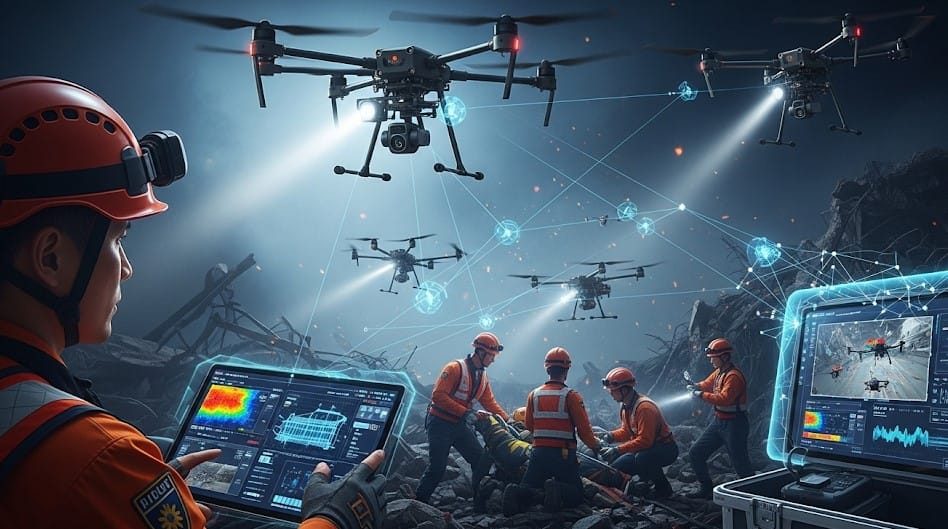
- Search & Rescue Drones – Equipped with cameras and thermal sensors to locate survivors.
- Smart 911 Systems – AI filters emergency calls and prioritizes life-threatening situations.
- Medical AI – Helps paramedics diagnose conditions on the spot.
- Resource Allocation – AI ensures ambulances, firefighters, and relief supplies are deployed efficiently.
Top Strategies & Real-Life Examples 🛠️
- Earthquakes: AI-driven drones scanned collapsed buildings in Turkey (2023), helping locate survivors quickly.
- Wildfires: AI satellite monitoring detected fire spread patterns in California, directing firefighters to critical zones.
- Floods: Predictive AI tools guided evacuations in India, minimizing casualties.
- Healthcare Emergencies: AI-powered wearables alerted medical teams to heart attacks before they happened.
Tools & Resources to Try ⚡
- DisasterNets AI – Predicts natural disasters.
- LifeSaver Drones – AI-powered aerial search and rescue units.
- HealthAI Monitors – Wearables that detect abnormal vitals.
- CrowdSource Apps – Platforms where citizens share real-time data, processed by AI for rescue teams.
Common Mistakes to Avoid 🚫
- Overreliance on AI – Technology can fail; human expertise must remain central.
- Ignoring Local Context – AI works best when paired with community knowledge.
- Lack of Training – Emergency workers need training to interpret AI outputs effectively.
- Data Privacy Risks – Misuse of health/emergency data could create ethical issues.
Expert Insights 🎯
- Rescue experts note that AI doesn’t replace humans—it enhances them.
- Future trends: AI-powered robotic dogs for collapsed areas, predictive healthcare monitoring, and satellite-based AI for global disaster relief.
- The UN and Red Cross are already testing AI-assisted humanitarian response systems.
Conclusion 🌟
AI is proving to be a life-saving tool in real emergencies, offering speed, precision, and scalability. From drones scanning disaster zones to predictive tools alerting communities, the potential is enormous.
👉 Call to Action: Stay informed about AI in rescue technology and support organizations adopting these innovations—because the next life saved could be yours or someone you love 💡.