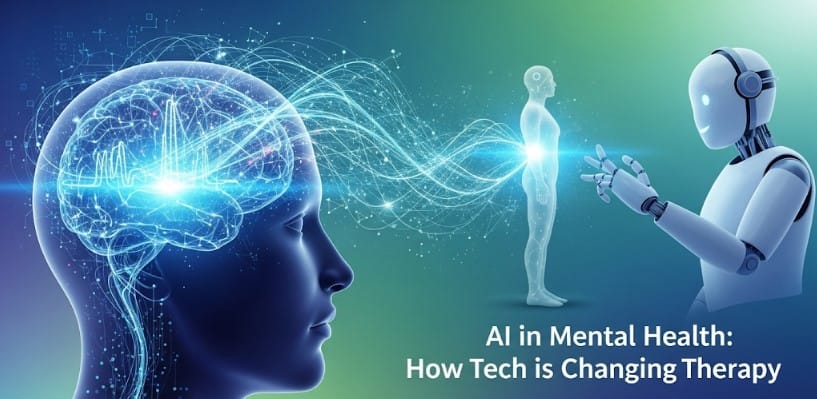
🤖 AI in Mental Health: How Tech is Changing Therapy
The intersection of technology and mental health is rapidly evolving in 2025, with artificial intelligence (AI) playing a central role. From chatbots that provide instant emotional support to advanced algorithms helping therapists personalize care, AI is reshaping how people access and experience therapy.
But what does this mean for patients, therapists, and the future of mental health? Let’s explore.
1️⃣ The Rise of AI in Mental Health Care
Over the last decade, we’ve seen technology move from fitness trackers and meditation apps to sophisticated AI-driven mental health tools. These solutions aim to:
- Increase accessibility: Millions struggle to access therapy due to cost or availability. AI helps bridge that gap.
- Reduce stigma: Talking to an AI chatbot feels less intimidating than scheduling a session with a therapist.
- Provide real-time support: Instead of waiting days for an appointment, users can access help instantly.
Example: Apps like Woebot or Wysa provide AI-powered conversations to guide people through anxiety, stress, and depression.
2️⃣ AI Therapy Tools in 2025 🧠
Here are some ways AI is being used in therapy today:
🔹 Chatbots & Virtual Counselors
- Offer 24/7 support for managing stress, anxiety, and loneliness.
- Use natural language processing (NLP) to simulate meaningful conversations.
- Provide coping strategies and mindfulness practices.
🔹 Personalized Treatment Plans
AI can analyze patient data—such as mood logs, voice tone, or behavior patterns—to help therapists create custom treatment strategies.
🔹 Emotion Recognition
Advanced AI tools can detect emotional cues through facial expressions, typing speed, or voice analysis, offering therapists deeper insights into a patient’s state of mind.
🔹 Predictive Mental Health Analysis
AI can identify early warning signs of mental health decline, potentially preventing crises before they escalate.
3️⃣ Benefits of AI in Therapy 🌟
- Accessibility: More people can get help, regardless of location or income.
- Affordability: AI-based tools are often cheaper than traditional therapy sessions.
- Scalability: One program can serve thousands of users at once.
- Anonymity: People may feel safer opening up to a machine without fear of judgment.
- Consistency: AI tools don’t get tired or distracted—they provide the same level of support each time.
4️⃣ Limitations & Ethical Concerns ⚠️
Of course, AI isn’t perfect. Mental health is deeply human, and there are challenges:
- Lack of human empathy: AI can mimic conversation but cannot truly replace the emotional understanding of a human therapist.
- Data privacy: Sensitive personal information must be handled carefully to avoid breaches.
- Over-reliance on tech: Some users may depend on AI without seeking professional help when needed.
- Bias in algorithms: If the AI isn’t trained on diverse data, it might give inaccurate or harmful responses.
5️⃣ The Future: Humans + AI, Not Humans vs AI 🔮
The most promising future of mental health care is not AI replacing therapists, but AI supporting them. Imagine:
- AI tools handling initial screenings and progress tracking.
- Therapists using AI-generated insights to guide treatment.
- Patients benefiting from a hybrid model: instant AI support plus meaningful human connection.
✨ Final Thoughts
AI is not here to take away the human touch from therapy—it’s here to make mental health support more accessible, affordable, and personalized. In 2025, the smartest approach is to see AI as a partner: a helpful tool that extends the reach of human therapists while giving individuals real-time support when they need it most.
💡 If you’re considering trying AI therapy tools, think of them as a supplement—not a replacement—for professional mental health care.