Baek Se-hee: The Author of I Want to Die But I Want to Eat Tteokbokki and Her Lasting Legacy
Introduction
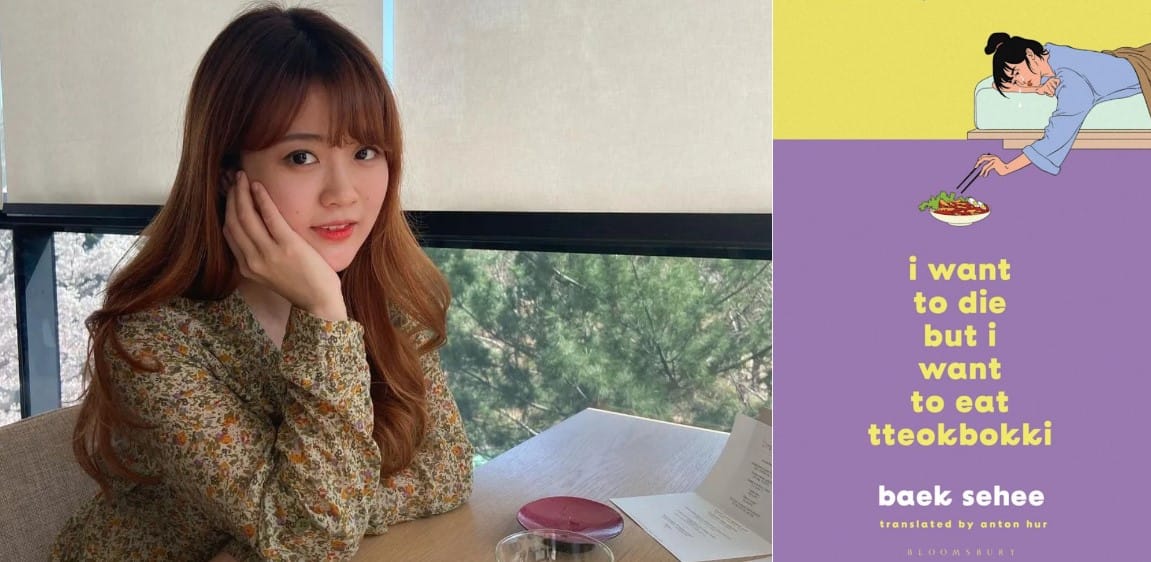
Baek Se-hee (백세희) was a South Korean author whose writing transformed how the world perceives mental health. Best known for her memoir I Want to Die But I Want to Eat Tteokbokki, she explored the complexities of living with dysthymia — a persistent form of depression — through raw and honest conversations with her therapist. Her work gave a voice to those struggling in silence and reminded readers that vulnerability is strength.
Who Was Baek Se-hee?
Born in 1990 in Goyang, South Korea, Baek Se-hee began her career in publishing before releasing her debut memoir in 2018. The book became a cultural phenomenon, particularly after being translated into English in 2022, resonating with readers around the globe.
Baek’s writing stood out for its simplicity and truthfulness. She wrote not as a distant observer but as someone living through her own pain, making her readers feel seen and understood.
The Meaning Behind “Tteokbokki”
Tteokbokki (떡볶이) is a beloved Korean comfort food made of chewy rice cakes in a spicy, sweet sauce. For Baek, it symbolized life’s small joys — the things that keep us going even when everything feels heavy.
In her book’s title, I Want to Die But I Want to Eat Tteokbokki, Baek captured the duality of human experience: the desire to escape pain and the simultaneous craving for life’s simple pleasures. This paradox made her message deeply relatable to millions.
Understanding Dysthymia (Persistent Depressive Disorder)
Baek Se-hee was diagnosed with dysthymia, a chronic but less severe form of depression that can last for years. People with dysthymia often appear functional while battling deep, ongoing sadness and low self-worth.
Her book offered rare insight into therapy culture in South Korea, where mental health discussions are often stigmatized. By sharing her therapy sessions publicly, Baek normalized the conversation and encouraged others to seek help.
Her Death and Organ Donation
On October 16, 2025, Baek Se-hee passed away at the age of 35. The exact cause of death has not been publicly confirmed, and speculation should be treated with caution.
What has been confirmed is that she became an organ donor, saving five lives through the donation of her heart, lungs, liver, and kidneys. Her selflessness in death mirrored the compassion and empathy she expressed in life.
“Even when life hurts, I want to live a little longer. Maybe to eat tteokbokki again.” — Baek Se-hee
Her Legacy and Impact
Baek Se-hee’s writing continues to inspire conversations about mental health, resilience, and the beauty of everyday life. Her work remains a guide for readers who struggle with invisible pain — reminding them that healing begins with honesty and connection.
The book I Want to Die But I Want to Eat Tteokbokki has been translated into over 15 languages, and her words continue to reach readers across continents.
Conclusion
Baek Se-hee’s life was short but profoundly meaningful. She turned her own vulnerability into a universal story about survival and self-compassion. Her legacy reminds us that talking about mental health openly can heal not just individuals, but societies.
Sources
- The Guardian – Baek Se-hee dies aged 35
- The Washington Post – Baek Sehee obituary
- Times of India – Understanding Dysthymia
- UPI – Baek Sehee’s Organ Donation