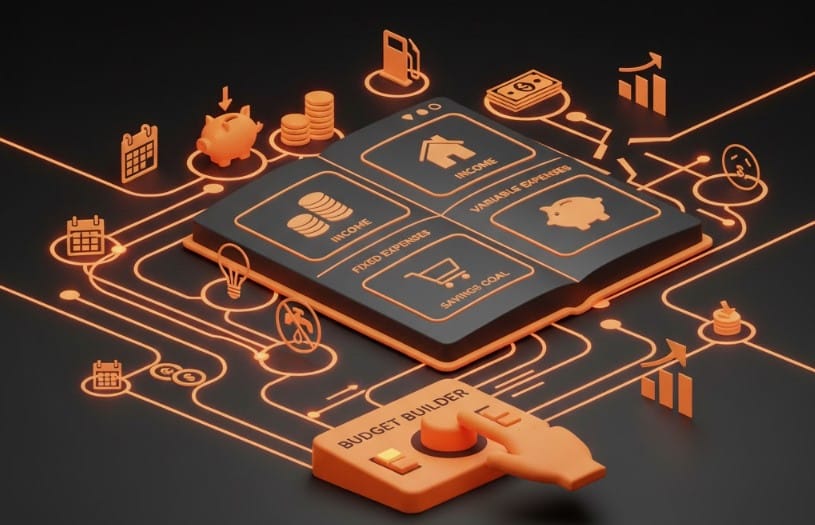
Budgeting is one of the most important skills for achieving financial freedom. For beginners, the idea of creating a personal budget can feel overwhelming. But a well-structured budget is simply a roadmap for your money — it shows exactly where it goes and how to use it wisely.
This guide will walk you through Budgeting 101, providing practical steps, tips, and tools to create your first budget that’s realistic, effective, and sustainable.
1. Understand Why a Budget Is Important
A personal budget helps you:
- Track income and expenses accurately
- Reduce unnecessary spending
- Save for emergencies, goals, and investments
- Pay down debt faster
- Gain control and peace of mind over your finances
Think of a budget not as a restriction, but as a tool to achieve your financial goals.
2. Gather Your Financial Information
Before creating a budget, collect all necessary information:
- Monthly income (salary, freelance work, passive income)
- Fixed expenses (rent/mortgage, utilities, insurance)
- Variable expenses (groceries, transportation, dining)
- Debt payments (loans, credit cards)
- Savings and investments
Having a complete picture ensures your budget is accurate and actionable.
3. Choose a Budgeting Method
There are several budgeting methods for beginners:
The 50/30/20 Rule
- 50% for needs (rent, bills, groceries)
- 30% for wants (entertainment, hobbies, dining out)
- 20% for savings and debt repayment
Zero-Based Budgeting
- Every dollar is assigned a purpose
- Income minus expenses equals zero
- Helps maximize savings and prevent waste
Envelope System
- Allocate cash into virtual or physical envelopes for different categories
- Prevents overspending in discretionary areas
Choose a method that fits your lifestyle — consistency is more important than complexity.
4. Track Your Spending
Tracking expenses is crucial for building a realistic budget.
- Use budgeting apps like Mint, YNAB, or PocketGuard
- Keep receipts or manually log expenses
- Categorize each purchase: fixed, variable, or discretionary
Tracking helps identify spending patterns and areas for improvement.
5. Set Realistic Goals
Budgeting is most effective when tied to financial goals:
- Short-term goals: emergency fund, paying off credit cards, small savings
- Medium-term goals: vacation, car purchase, education
- Long-term goals: home ownership, retirement, financial independence
Goals give your budget purpose and motivation.
6. Adjust and Prioritize
Not all expenses are equally important. After tracking, review your spending:
- Reduce unnecessary discretionary spending
- Consider refinancing high-interest debt
- Automate savings for consistent progress
- Reallocate funds from low-priority areas to high-priority goals
A flexible approach ensures your budget adapts to your life without feeling restrictive.
7. Automate Your Budget
Automation simplifies money management:
- Automatic transfers to savings accounts
- Recurring bill payments to avoid late fees
- Apps that categorize expenses and track spending
Automation reduces the chance of human error and reinforces consistency.
8. Monitor and Review Regularly
A budget is not static. Review your budget weekly or monthly:
- Compare actual spending with planned amounts
- Adjust categories or limits as needed
- Track progress toward goals
- Celebrate milestones to stay motivated
Regular review ensures your budget remains effective and realistic.
9. Build a Positive Money Mindset
Your mindset is key to budgeting success:
- View budgeting as empowerment, not restriction
- Avoid guilt or shame for past mistakes
- Focus on progress, not perfection
- Recognize that small, consistent actions compound over time
A healthy mindset transforms budgeting from a chore into a habit that builds financial confidence.
10. Take Action Today
Creating your first personal budget may feel intimidating, but the best time to start is now.
- Gather your financial information
- Choose a budgeting method
- Track expenses for a month
- Set realistic goals and allocate funds accordingly
- Review and adjust regularly
Over time, your budget becomes a powerful tool to manage money, reduce stress, and achieve your financial dreams.