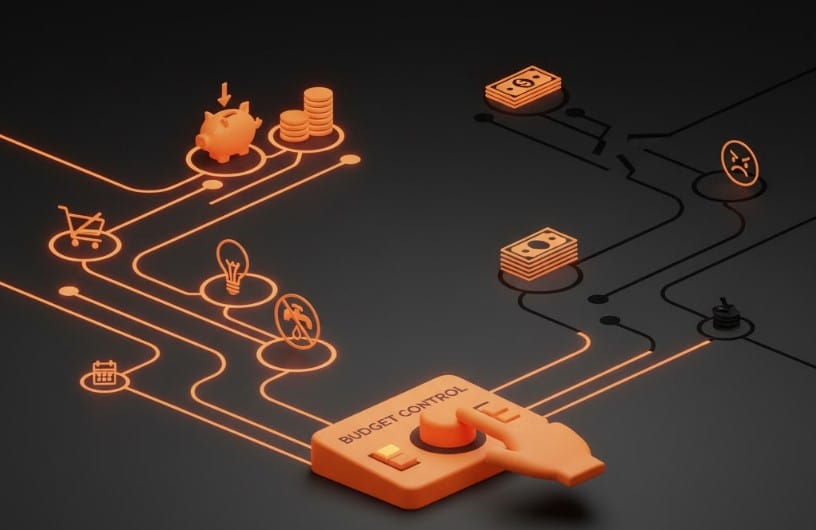
Managing your finances effectively is not just about earning more — it’s also about spending smarter. Many people feel stuck at the end of each month, wondering where all their money went.
The solution? Budgeting and reducing monthly expenses. By cutting unnecessary costs and optimizing spending, you can increase savings, pay off debt, and create financial security — all without sacrificing your lifestyle.
This guide explores actionable strategies to reduce monthly expenses and take control of your finances.
1. Track Every Expense
Before you can reduce spending, you need to know where your money goes.
- Record all transactions for at least a month.
- Categorize spending: essentials, wants, and discretionary.
- Identify patterns and areas where you consistently overspend.
Awareness is the first step — you can’t fix what you don’t measure.
2. Cut Unnecessary Subscriptions
Recurring subscriptions silently drain your budget.
- Audit all subscriptions: streaming services, apps, gyms, magazines.
- Cancel unused or duplicate services.
- Consider sharing plans with family or friends when possible.
Even small monthly savings add up to hundreds of dollars per year.
3. Plan Your Grocery Shopping
Food is one of the largest monthly expenses for most households.
- Make a shopping list before visiting the store.
- Buy in bulk for staples and non-perishable items.
- Avoid shopping when hungry to prevent impulse buys.
- Use apps and coupons for additional savings.
Meal planning not only reduces costs but also reduces food waste.
4. Cook at Home More Often
Dining out or ordering delivery can quickly inflate your monthly expenses.
- Allocate a portion of your budget to cooking at home.
- Batch-cook meals and freeze leftovers for convenience.
- Experiment with new recipes to keep home cooking exciting.
Cooking at home can save hundreds per month while improving nutrition.
5. Use Cashback and Rewards Programs
Many banks and apps offer cashback or rewards for purchases:
- Credit cards with cashback on essentials like groceries or gas.
- Apps that offer rebates for online purchases.
- Loyalty programs at favorite stores.
These small rewards accumulate over time and can be redirected to savings or debt repayment.
6. Automate Savings
Set up automatic transfers to your savings account as soon as you receive your paycheck:
- Start with a small, manageable amount.
- Gradually increase as your budget allows.
- Treat savings like a non-negotiable expense.
Automation ensures consistency and reduces the temptation to spend extra funds.
7. Reduce Utility Bills
Utilities can be optimized without major lifestyle changes:
- Turn off lights and unplug electronics when not in use.
- Adjust thermostat settings seasonally.
- Compare energy providers or plans to find better rates.
- Use water-saving fixtures to reduce water bills.
Small monthly reductions compound into significant savings over time.
8. Review Your Transportation Costs
Transportation can eat a large portion of your budget:
- Consider public transit, carpooling, or biking when feasible.
- Regular maintenance prevents costly repairs.
- Compare insurance providers for better rates.
Optimizing commuting and transportation habits can save hundreds per year.
9. Avoid Impulse Purchases
Impulse spending often sabotages even the best budgets.
- Wait 24 hours before making non-essential purchases.
- Ask yourself: “Do I truly need this?”
- Remove saved payment information from apps to reduce frictionless spending.
Mindful spending improves discipline and reinforces budgeting habits.
10. Prioritize High-Impact Changes First
Not all savings strategies are equally effective. Focus on changes that yield the highest impact:
- Debt and high-interest payments
- Housing and utilities
- Transportation
- Subscriptions and discretionary spending
Targeting major expense categories first provides the largest immediate relief to your monthly budget.
Conclusion
Reducing monthly expenses isn’t about living a life of deprivation — it’s about spending intentionally and optimizing resources.
By tracking expenses, cutting unnecessary costs, automating savings, and prioritizing high-impact changes, you can:
- Increase savings
- Pay off debt faster
- Reduce financial stress
- Achieve long-term financial freedom
Start small. Implement one or two strategies this month, then gradually add more. Consistency and awareness are the keys to successful budgeting and financial control.