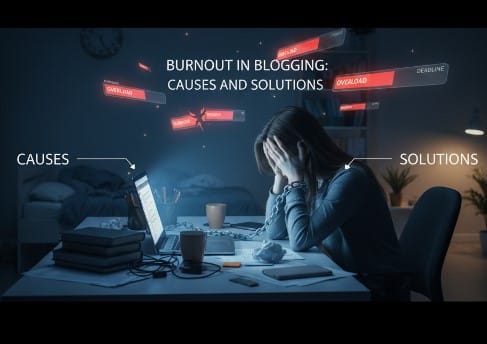
Why Blogger Burnout Is More Common Than Ever
If you’ve ever stared at a blank screen, dreading your next post, or felt guilty for not publishing consistently, you’re not alone. Blogging burnout is real, and it’s becoming more common as the digital world speeds up.
Between SEO, social media, affiliate promotions, and audience expectations, bloggers often wear multiple hats. What starts as a passion project can quickly feel like an endless grind.
👉 The good news? Burnout isn’t the end of your blogging journey—it’s a signal to realign.
The Root Causes of Blogging Burnout
1. Unrealistic Expectations
Many bloggers believe they must publish daily or match the output of full-time content teams. This constant pressure leads to stress and creative exhaustion.
👉 Tip: Set sustainable publishing goals—quality beats quantity every time.
2. The Comparison Trap
It’s easy to compare your blog to others with more traffic, income, or followers. But comparison often fuels self-doubt instead of motivation.
👉 Tip: Focus on your unique voice and niche instead of chasing someone else’s success.
3. Lack of Clear Strategy
Without a roadmap, blogging can feel like shouting into the void. Jumping from topic to topic without clarity often leads to frustration.
👉 Tip: Revisit your blog’s purpose. Define what you want your audience to gain and what success looks like for you.
4. Monetization Pressure
Once money enters the picture, the joy of writing can turn into stress. Affiliates, sponsors, and ads can shift the focus from passion to performance.
👉 Tip: Monetize gradually. Choose methods that align with your values and content style.
5. Neglecting Self-Care
Many bloggers sacrifice sleep, exercise, and downtime for “just one more post.” Over time, this neglect takes a mental and physical toll.
👉 Tip: Treat blogging like a marathon, not a sprint. Schedule breaks and respect your creative energy.
Practical Solutions to Reignite Your Blogging Energy
1. Reset Your Routine
Instead of forcing daily output, adopt a realistic schedule. Even one quality post per week can grow your blog sustainably.
2. Batch and Automate
Write in focused sprints, schedule posts ahead, and use automation tools for social sharing. Freeing up mental bandwidth prevents overwhelm.
3. Create Without Publishing Pressure
Allow yourself “practice posts” that never get published. This keeps creativity flowing without performance anxiety.
4. Reconnect With Your Readers
Burnout often comes from feeling disconnected. Engage with your audience through comments, polls, or newsletters—it reminds you why your work matters.
5. Diversify Your Content
If writing feels heavy, try new formats: video, podcasting, or short-form posts. Variety keeps blogging exciting and less monotonous.
6. Take Intentional Breaks
Rest is productive. Stepping away for a week (or even longer) often brings fresh ideas and renewed motivation.
A Blogger’s Story: From Burnout to Balance
James, a lifestyle blogger, hit a wall after forcing himself to publish five posts per week for six months. He lost his enthusiasm and considered quitting.
Instead, he cut his schedule to two posts weekly, outsourced graphics, and started sharing more personal stories. Within weeks, he felt lighter, and ironically, his engagement grew because his content felt authentic again.
👉 Sometimes doing less creates more impact.
Future-Proofing Against Burnout (2025 & Beyond)
As AI tools make content production easier, many bloggers will feel pressure to publish faster than ever. But the winners in 2025/2026 won’t be those who churn out endless posts—it will be those who create sustainable, human-centered content.
Balancing productivity with well-being ensures longevity in the blogging world.
Conclusion: Blogging With Balance
Burnout is a warning sign, not a dead end. By setting realistic expectations, prioritizing self-care, and finding joy in your unique voice, you can turn burnout into a breakthrough.
Your blog doesn’t need to run on overdrive—it needs to run on purpose.
🔑 Question for You: What’s one change you could make this week to reduce stress and bring more joy back into your blogging?
Light CTA:
If this article resonated, share it with another blogger who might be on the edge of burnout. Remember: sustainable blogging isn’t just better for your health—it’s better for your audience too.