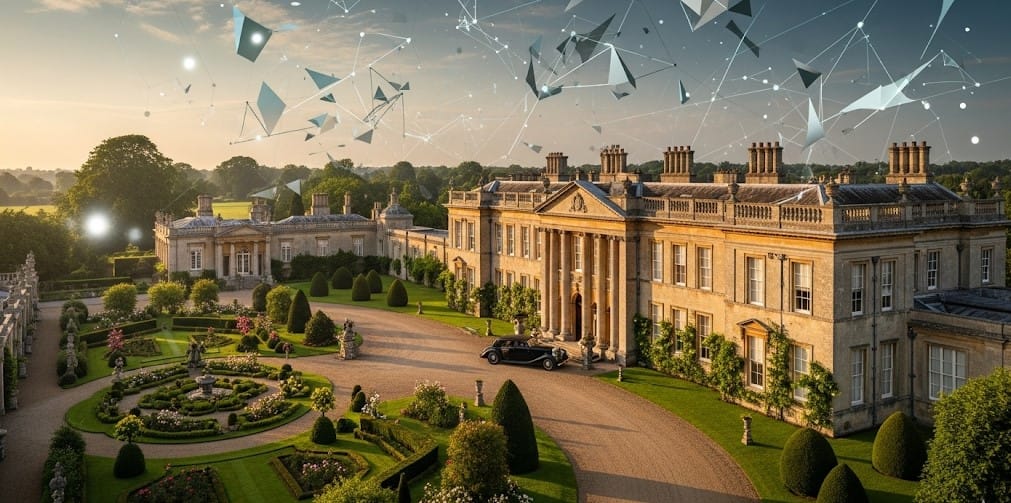
Conholt Park: History, Luxury, and Modern Controversy
Introduction
In the rolling hills of Wiltshire, England, lies Conholt Park, a grand estate with centuries of history, sprawling grounds, and a reputation that blends heritage, wealth, and debate. Once a quiet country manor, Conholt Park has in recent decades become a symbol of luxury living—while also drawing attention for issues of land ownership, exclusivity, and modern development.
This article explores the estate’s rich history, its transformation into a haven of luxury, and the controversies that continue to spark public discussion today.
A Glimpse Into History
Conholt Park traces its origins back to the late 17th and early 18th centuries, when country estates in Wiltshire symbolized not only wealth but also influence in British society. Built in classic Georgian style, the estate became known for:
- Architectural heritage – With symmetrical designs, sweeping lawns, and refined detailing, the house represented the best of English country estate architecture.
- Cultural significance – Estates like Conholt were not just homes but centers of rural administration, hunting grounds, and local employment.
- Generational legacy – Families passing down estates like Conholt reflected the entrenched aristocratic traditions of land ownership in England.
Through centuries, Conholt Park changed hands among influential families, always retaining its aura of exclusivity and grandeur.
Luxury in the Modern Era
By the late 20th and early 21st century, Conholt Park had entered a new chapter—no longer just a historic estate, but a modern symbol of wealth. Private ownership and investment transformed the property into:
- A luxury residence – With restored interiors, landscaped gardens, and facilities designed for comfort and prestige.
- An exclusive retreat – Often associated with the ultra-wealthy, estates like Conholt are marketed as secluded sanctuaries away from public life.
- An asset of global interest – Wealthy international buyers, particularly those seeking English country estates, have shown interest in such properties for both lifestyle and investment.
For many, Conholt Park represents the romantic ideal of the English countryside—grand homes surrounded by untouched natural beauty.
The Controversies
Despite its grandeur, Conholt Park has not escaped controversy. In recent years, it has become a focal point of debates around:
1. Land Ownership & Wealth Inequality
Large estates like Conholt raise questions about the concentration of land in the hands of a wealthy few. Critics argue that while estates project cultural heritage, they also symbolize persistent social inequality.
2. Public Access & Exclusivity
Country estates often restrict access to vast tracts of countryside. Campaigners for greater public access to green space point to estates like Conholt as examples of land that could serve communities rather than remain private.
3. Modern Development & Preservation
Any plans to renovate or expand Conholt Park bring tension between heritage preservationists and owners seeking modernization. How do you balance historical integrity with the demands of modern luxury living?
4. Cultural Symbolism
To some, Conholt Park embodies timeless elegance. To others, it represents outdated aristocratic privilege. This duality keeps the estate in the spotlight of cultural debate.
Why Conholt Park Matters Today
Conholt Park is more than just a house and gardens—it is a mirror reflecting broader questions about society:
- Who gets to own and enjoy England’s countryside?
- How should historic estates balance preservation with modernization?
- Can heritage properties contribute to local communities rather than exist in isolation?
These questions ensure that Conholt Park remains not just a private estate but also a public talking point in the conversation about land, wealth, and identity in modern Britain.
Final Thoughts
Conholt Park is a place where history, luxury, and controversy meet. Its story is not just about architecture or ownership—it’s about the deeper social and cultural tensions woven into the fabric of British life. Whether admired as a jewel of the English countryside or critiqued as a symbol of inequality, Conholt Park will continue to spark conversation for generations to come.