Introduction
A lead magnet is more than just a freebie — it’s a strategic tool to build an email list of engaged subscribers who can become paying customers in the future.
Creating a lead magnet that sells later requires careful planning, understanding your audience, and aligning your offer with a paid product or service. This guide will show you how to design lead magnets that convert and generate long-term revenue.
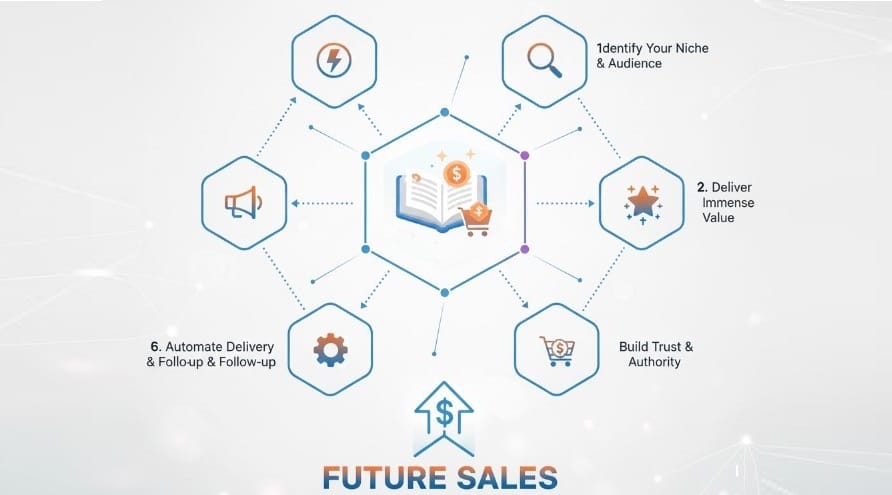
⚙️ Step 1: Identify Your Audience’s Pain Points
- Use surveys, polls, or blog comments to find common challenges your audience faces.
- Focus on a specific problem that your paid product can solve later.
- A targeted lead magnet ensures higher engagement and better conversion rates.
💡 Pro Tip: The more specific the problem your lead magnet solves, the higher the likelihood your audience will purchase a related product later.
⚙️ Step 2: Choose the Right Type of Lead Magnet
Some high-converting lead magnets include:
- Checklists & Cheat Sheets: Quick actionable steps.
- Ebooks & Guides: Short guides that solve a niche problem.
- Mini-Courses or Tutorials: Short video or email-based courses.
- Templates & Worksheets: Ready-to-use tools that save time.
- Quizzes & Assessments: Interactive and personalized results.
⚡ Tip: Lead magnets that provide immediate, tangible value are more likely to build trust and authority.
⚙️ Step 3: Align Lead Magnet With Paid Offer
- Your lead magnet should naturally lead to a paid product.
- Example: A “10-Step Blogging Checklist” could lead to a paid blogging course.
- Think in terms of a value ladder — free lead magnet → low-cost offer → premium product.
💡 Pro Tip: This alignment increases the chance that subscribers will buy later.
⚙️ Step 4: Design and Deliver the Lead Magnet
- Use tools like Canva, Google Docs, Notion, or Teachable to create professional content.
- Ensure the lead magnet is visually appealing, easy to digest, and actionable.
- Deliver automatically via email marketing tools like MailerLite, ConvertKit, or Brevo.
⚡ Tip: A seamless delivery system improves user experience and builds trust.
⚙️ Step 5: Promote Your Lead Magnet
- Embed opt-in forms in blog posts, landing pages, and popups.
- Share on social media and email campaigns to drive traffic.
- Leverage paid ads if targeting a specific niche audience.
- Consider guest blogging or partnerships to expand reach.
⚙️ Step 6: Nurture Subscribers for Sales
- Use automated email sequences to provide valuable content.
- Introduce your related paid products gradually over time.
- Segment your audience to send relevant offers based on engagement.
💡 Pro Tip: Most conversions happen after multiple touchpoints — patience is key.
✅ Conclusion
Creating a lead magnet that sells later is about strategy, alignment, and follow-up. By providing immediate value, nurturing your audience, and guiding them toward a related paid product, you can turn your email list into a profitable revenue stream.
🚀 Call to Action
Start creating your high-converting lead magnet today:
- Identify a specific problem your audience wants solved.
- Choose a format that provides immediate value.
- Align it with a paid product or service you offer.
- Design it professionally and deliver automatically.
- Promote widely and nurture subscribers to maximize conversions.
With this approach, your lead magnet won’t just grow your list — it will generate real income over time.