Introduction
Over the past few years, browser extensions have evolved from simple add-ons to powerful productivity tools. Now, a new revolution is underway: AI-native extensions.
These are no longer optional tools you install — they are deeply integrated assistants embedded within browsers themselves. From smart summarization to context-aware search and proactive recommendations, browsers are turning into AI-powered companions that reshape how users interact with the web.
🤖 What Are AI-Native Extensions?
Unlike traditional extensions, AI-native extensions are built directly into the browser architecture. This integration allows them to operate with greater speed, accuracy, and security.
Instead of relying on external APIs or scripts, these extensions tap into the browser’s core systems — tabs, search, and even voice — enabling truly seamless assistance.
Examples include:
- Microsoft Edge Copilot: A built-in AI assistant for search, writing, and productivity.
- Google Chrome’s Gemini integration: AI tools integrated natively into the browser UI.
- Opera’s Aria Assistant: Direct access to generative AI within the address bar.
These examples reflect a broader trend — AI is becoming part of the browsing fabric, not just a feature.
🧩 Why the Shift Matters
This move toward AI-native integration signals a shift in how browsers define user experience. The browser is no longer a passive window to the web; it’s an active participant.
Here’s why that’s a game-changer:
1. Performance & Stability
Native AI extensions eliminate many of the compatibility and latency issues of third-party add-ons. They run smoother, update automatically, and consume fewer resources.
2. Security & Privacy
By embedding AI directly, browsers can enforce stronger permission models and data boundaries — minimizing risk from rogue extensions or malicious scripts.
3. Personalization
AI-native systems can learn user habits (ethically and privately) to suggest actions — like summarizing articles, automating research, or drafting emails — all within the browsing environment.
4. Unified User Experience
Rather than juggling multiple plugins, users get an all-in-one intelligent interface that blends browsing, search, and creation seamlessly.
🔮 The Future of Browsing Is AI-Driven
We’re entering the post-extension era — one where browsers are AI-first platforms. This evolution could lead to:
- Fully autonomous browsing modes (where AI performs research, compares prices, or writes posts automatically).
- Contextual search experiences, where AI understands intent instead of just keywords.
- Personal productivity ecosystems, where your browser becomes your digital co-pilot for all online tasks.
As these tools mature, developers will likely create AI frameworks that plug directly into browsers, redefining what “extensions” mean in 2026 and beyond.
💡 How Developers Can Adapt
For extension developers, this shift is both a challenge and an opportunity.
To stay relevant:
- Adopt AI frameworks (like OpenAI, Gemini, or Anthropic APIs).
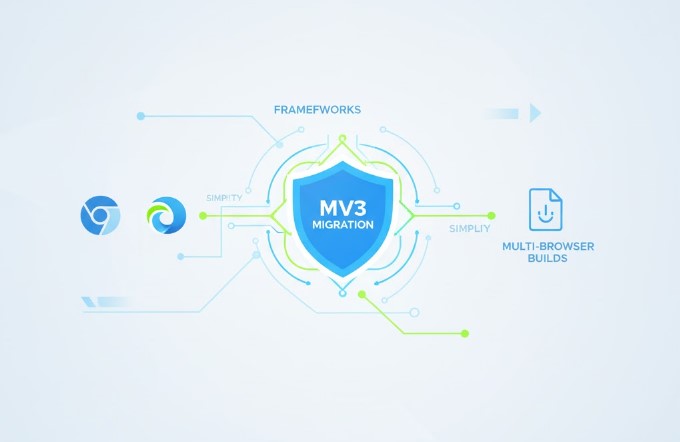
- Focus on cross-browser AI compatibility via Manifest V3.
- Prioritize privacy-by-design when using user data for personalization.
The next generation of extensions will not just extend browsers — they’ll elevate them.
🧭 Conclusion
The line between browser and assistant is fading fast. As AI-native extensions become standard, users can expect more personalized, efficient, and intelligent web experiences.
Developers who embrace this transformation early will help shape the AI-native web, where every tab, search, and click is powered by intelligence.