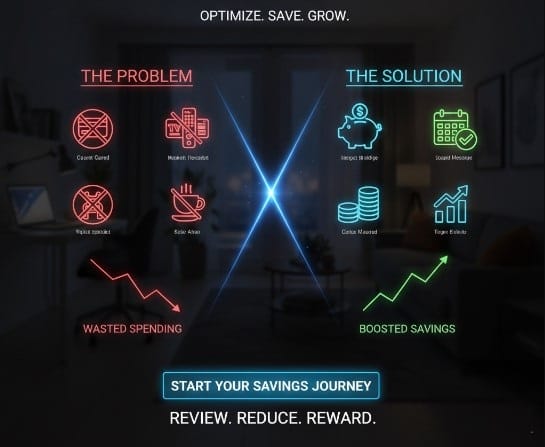
Introduction: The Hidden Drain on Your Wallet
It’s 2025, and digital subscriptions are everywhere. From streaming services and cloud storage to premium apps and online fitness programs, it’s easy to rack up monthly bills without realizing it. The average consumer now pays for 7–10 subscriptions, many of which go unused.
The truth? These recurring costs quietly drain your budget. Cutting unnecessary subscriptions is one of the fastest and simplest ways to save money—and the results can be surprising.
Why Subscriptions Add Up Quickly
Unlike one-time purchases, subscriptions are “set and forget.” That’s great for convenience but terrible for your budget if you’re not vigilant. A $12/month app may not feel like much, but multiply that by several forgotten subscriptions, and you could be losing $500–$1,000 a year.
Step 1: Audit All Your Subscriptions
Start with a subscription audit. Go through your bank statements and app stores to list every service you’re paying for. You may be shocked to find duplicate services (two music apps, multiple cloud storage accounts) or unused ones you signed up for months ago.
💡 Pro tip: Use tools like Truebill (now Rocket Money), Bobby, or your bank’s spending tracker to automatically detect recurring charges.
Step 2: Decide What’s Worth Keeping
Ask yourself:
- Do I use this service weekly or daily?
- Does it add real value to my life or business?
- Could I replace it with a cheaper (or free) alternative?
If the answer is “no” to most of these, it’s time to cancel.
Step 3: Negotiate or Downgrade
Not all subscriptions need to be cut—some can be reduced. Many providers offer discounts if you ask or downgrade to a lower tier. For example, switching from a premium to a basic plan can cut your costs by 30–50%.
Step 4: Set Renewal Reminders
Companies love auto-renewals because they hope you’ll forget. Flip the script: set calendar reminders one week before any annual subscription renews. That way, you can reassess whether it’s worth keeping.
Step 5: Automate Your Subscription Check-Up
Make it a habit: every three months, review your subscriptions. Think of it as a financial health check. The more intentional you are, the more control you have over your money.
Real-Life Example:
Sarah, a 29-year-old marketing freelancer, realized she was paying for four different project management tools. By canceling three and sticking with one, she saved $780/year. She redirected those savings into an emergency fund—giving her peace of mind and financial security.
The Bigger Picture: Redirecting Your Savings
Cutting subscriptions isn’t just about saving—it’s about redirecting. That $30–$50/month can go toward:
- Building your emergency fund
- Paying off high-interest debt
- Investing in a retirement account
- Funding something that truly matters (like travel, a course, or your side hustle)
Conclusion: Take Back Control 💡
Subscriptions are sneaky. But with a little awareness and consistent auditing, you can stop wasting money and put those dollars to better use. Every canceled subscription is another step toward financial freedom.
🔑 Interactive Question: What’s the first subscription you’ll cancel this month—and what will you do with the money you save?
CTA 💡
🚀 Want to supercharge your savings? Subscribe to our free newsletter and get a “Monthly Subscription Audit Checklist” to help you track and cut costs effortlessly.