Introduction
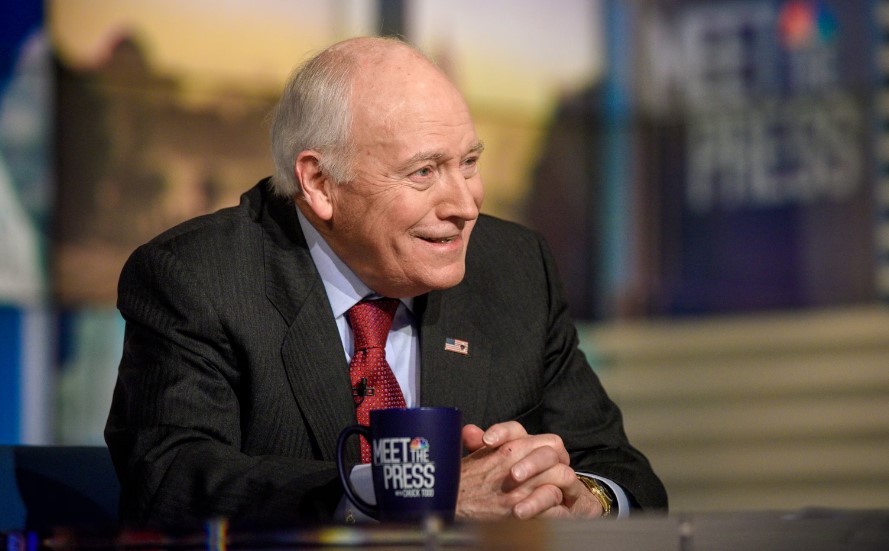
Dick Cheney (1941–2025) remains one of the most influential and controversial figures in modern American politics. From his early years in Wyoming to serving as Vice President of the United States under George W. Bush, Cheney reshaped the role of the vice presidency, left a lasting imprint on U.S. foreign and domestic policy, and became a polarizing figure for his hawkish approach to national security.
This article explores his life, career, controversies, and legacy, including his cause of death, making it a comprehensive resource for readers and researchers.
Early Life and Education
Richard Bruce Cheney was born on January 30, 1941, in Lincoln, Nebraska, and grew up in Casper, Wyoming. He attended Yale University briefly before transferring to the University of Wyoming, earning both a B.A. and M.A. in political science.
From the start, Cheney demonstrated political ambition, working as a congressional intern and later holding staff roles in the Nixon and Ford administrations. His early career laid the foundation for a lifetime in public service.
Congressional Career and Secretary of Defense
Cheney was elected to Congress in 1978, representing Wyoming. During his six terms, he rose to House Minority Whip, gaining a reputation as a skilled legislator and strategist.
In 1989, Cheney was appointed Secretary of Defense under President George H. W. Bush, overseeing Operation Desert Storm in 1991 and managing U.S. military downsizing after the Cold War. His leadership during the Gulf War earned him national recognition.
Private Sector Leadership
After leaving public office in 1993, Cheney became CEO and Chairman of Halliburton, a major energy services company, from 1995 to 2000. His tenure attracted criticism over government contracts and potential conflicts of interest, foreshadowing later controversies during his vice presidency.
Vice Presidency (2001–2009)
Cheney served as Vice President of the United States from 2001 to 2009 under George W. Bush. During this time, he transformed the office from a largely ceremonial role into one of significant political power.
Key Contributions:
- Post-9/11 National Security: Cheney played a pivotal role in shaping counterterrorism policy, homeland security, and intelligence oversight.
- Iraq War Advocacy: Cheney was a driving force behind the 2003 invasion of Iraq, citing weapons of mass destruction.
- Expansion of Executive Power: He supported surveillance programs, preemptive strikes, and detention policies that expanded presidential authority.
Controversies
Cheney’s career was marked by several high-profile controversies:
- Iraq War Decisions: Criticized for pushing a war based on flawed intelligence.
- Halliburton Conflicts of Interest: Scrutiny over corporate ties and government contracts.
- Hunting Accident (2006): Accidentally shot a companion during a quail hunt in Texas.
- Health and Executive Decisions: Advocated policies sometimes criticized as overreach in civil liberties.
Health Challenges
Cheney suffered from five heart attacks over his lifetime, underwent a quadruple-bypass surgery in 1988, and had a heart transplant in 2012. Despite these challenges, he remained politically active for many years.
Cause of Death
Dick Cheney passed away on November 3, 2025, at the age of 84. According to his family and news sources, the cause of death was complications from cardiovascular disease and pneumonia.
Sources:
Legacy
Cheney’s influence is widely debated:
- Redefining the Vice Presidency: Set new standards for vice-presidential power.
- National Security: Shaped U.S. policy in the post-9/11 era.
- Polarization: Admired by supporters for decisiveness, criticized by opponents for perceived overreach.
- Global Impact: Decisions like the Iraq War continue to influence international politics.
His memoirs, including In My Time and Exceptional, provide insight into his philosophy of strong executive leadership and American exceptionalism.