Introduction
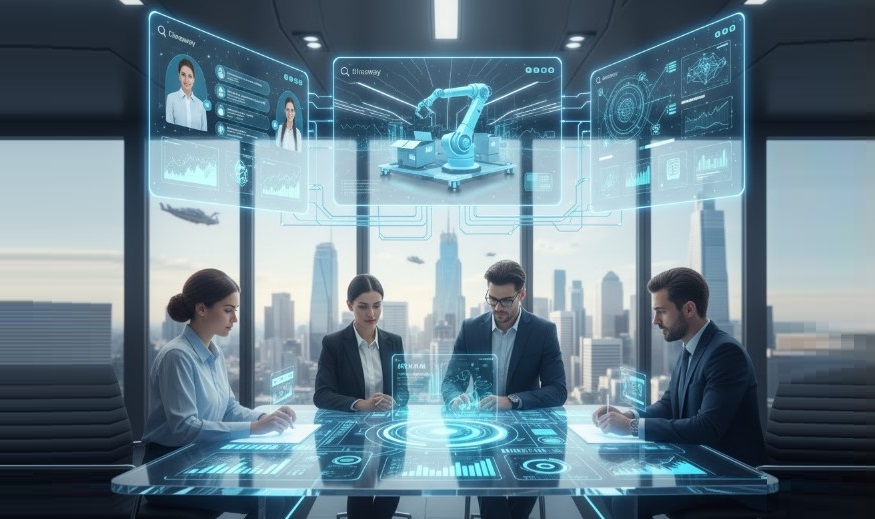
The e-commerce landscape is evolving rapidly. By 2025, AI and automation will be at the forefront of online retail, transforming how stores operate, personalize experiences, and scale efficiently.
Brands that embrace these technologies early can streamline operations, enhance customer experiences, and gain a competitive edge in a crowded market.
1. AI-Powered Personalization
- Product recommendations: AI analyzes customer behavior to suggest relevant products.
- Dynamic pricing: Adjust prices in real-time based on demand, competition, and inventory.
- Content personalization: Tailor emails, landing pages, and promotions to individual preferences.
- Customer segmentation: Automatically group shoppers based on behavior and intent.
Tip: Personalization increases conversion rates, average order value, and customer loyalty.
2. Automation in Operations
- Inventory management: Automated tracking and restocking reduce stockouts and overstock.
- Order fulfillment: Robotics, AI logistics, and predictive shipping improve speed and accuracy.
- Customer service: Chatbots and AI assistants handle routine inquiries, freeing human agents for complex issues.
- Marketing automation: Schedule campaigns, retarget customers, and optimize ad spend automatically.
Tip: Automation reduces operational costs and ensures consistent, reliable service.
3. Enhanced Customer Experiences with AI
- Visual search: Customers can upload images to find similar products instantly.
- Voice commerce: Voice assistants enable hands-free browsing and purchases.
- Augmented reality (AR): Virtual try-ons and product visualization improve confidence and reduce returns.
- Predictive analytics: Anticipate customer needs and offer proactive solutions or recommendations.
Tip: AI-driven experiences increase engagement and differentiate your brand.
4. Data-Driven Decision Making
- Sales forecasting: Predict demand and plan inventory more accurately.
- Customer insights: Understand behavior, preferences, and lifetime value.
- Marketing optimization: Identify high-performing campaigns and channels using AI analytics.
- Product development: Use AI to detect trends and gaps in the market.
Tip: Leveraging data empowers smarter decisions and faster growth.
5. Omnichannel Integration
- AI enables seamless experiences across platforms: web, mobile, social media, and marketplaces.
- Synchronize inventory, pricing, and promotions across all channels automatically.
- Provide consistent messaging and personalized offers regardless of touchpoint.
Tip: Omnichannel strategies increase reach, engagement, and customer retention.
6. Preparing Your Store for 2025
- Invest in AI tools: Recommendation engines, chatbots, predictive analytics, and automation software.
- Upgrade infrastructure: Ensure systems can handle AI-driven workflows and data processing.
- Train your team: Equip staff with skills to leverage AI insights and automated operations.
- Monitor trends: Stay updated with emerging technologies, regulations, and consumer behavior.
Tip: Early adoption positions your store as innovative and ready for future growth.
✅ Conclusion
The future of e-commerce in 2025 will be defined by AI-driven personalization, automation, and data-driven decision-making. By embracing these technologies, online stores can scale efficiently, enhance customer experiences, and stay competitive.
Brands that leverage AI and automation not only streamline operations but also create memorable, personalized experiences that drive loyalty and long-term growth.