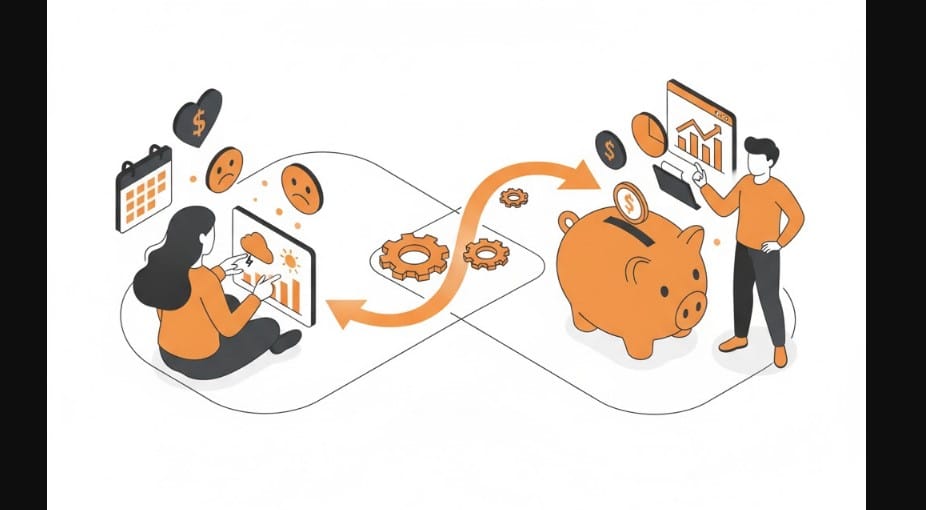
For decades, budgeting has been about numbers — income, expenses, and percentages. But money isn’t just mathematical; it’s deeply emotional.
Every financial decision is influenced by how we feel — fear, excitement, guilt, or even pride. That’s why traditional budgeting methods often fail: they don’t consider the human side of money.
Emotional budgeting is a new, mindful approach that aligns your spending with your values, emotional well-being, and life goals.
1. What Is Emotional Budgeting?
Emotional budgeting means managing your money with self-awareness.
Instead of focusing only on rules (like 50/30/20), you focus on how spending and saving make you feel.
It’s not about restriction — it’s about intention.
You’re asking, “Does this expense make me happier, healthier, or closer to my goals?”
This approach helps you balance logic with emotion — leading to better long-term financial habits.
2. Why Traditional Budgeting Fails for Many People
Most budgets fail not because of math errors, but because of emotional disconnection.
Here’s why:
- They ignore emotional triggers behind spending.
- They feel restrictive instead of empowering.
- They don’t reflect your real values or lifestyle.
- They can create guilt or shame when broken.
When you approach money emotionally aware, you start making value-based decisions, not impulse-driven ones.
3. The Psychology Behind Emotional Spending
Every purchase has an emotion attached to it.
- We shop to feel comforted.
- We spend to feel validated.
- We save to feel secure.
- We avoid checking finances to avoid anxiety.
Recognizing these emotional patterns turns budgeting from punishment into personal growth.
Example: Instead of asking “Why did I overspend?”, ask “What emotion was I trying to soothe when I bought that?”
4. How to Practice Emotional Budgeting
Here’s how to apply this mindful money method step-by-step:
Step 1: Identify Emotional Triggers
Track moments when you feel tempted to spend — boredom, stress, or excitement.
Write them down in a journal or notes app.
Step 2: Align Spending with Values
Make a list of your top 5 values (e.g., freedom, creativity, health, family, peace).
Ask before spending: Does this purchase align with these values?
Step 3: Redefine “Luxury”
Luxury doesn’t always mean expensive things — it can mean time, peace, or experiences that bring joy.
Spend more on what nourishes you emotionally, less on what drains you.
Step 4: Build a “Feel-Good” Budget
Allocate money to things that improve your emotional well-being — therapy, hobbies, travel, learning.
This creates a sustainable emotional-logic balance.
5. The Benefits of Emotional Budgeting
- Less guilt and shame: You make decisions consciously, not impulsively.
- Better self-control: Awareness reduces emotional overspending.
- More joy from money: You spend on what truly matters.
- Stronger financial discipline: Emotional clarity fuels consistency.
- Healthier relationship with money: You see it as a tool, not a source of stress.
6. Tools for Emotional Budgeting
You can integrate emotional awareness into your budgeting using:
- Journaling Apps: Notion, Daylio, or Reflectly to log emotional spending patterns.
- Budgeting Tools: YNAB, Goodbudget, or Monarch Money.
- Mindful Practices: Meditation, gratitude journaling, or digital detox to reduce emotional triggers.
7. From Fear to Freedom
Emotional budgeting transforms your relationship with money from reactive to intentional.
It’s not about perfection — it’s about understanding yourself.
The next time you spend, pause and ask:
“Am I spending out of emotion or alignment?”
When your money reflects your values, you feel more at peace — financially and emotionally.
Conclusion
Money management isn’t just about earning and saving — it’s about emotional awareness.
When you integrate feelings into your financial plan, budgeting becomes less of a chore and more of a journey toward balance and purpose.
Emotional budgeting teaches you that financial wellness starts within — and your emotions are the most valuable currency you have.
Call to Action
💬 Have you ever noticed emotions influencing your spending?
Share your experience or your favorite mindful budgeting tip in the comments below!