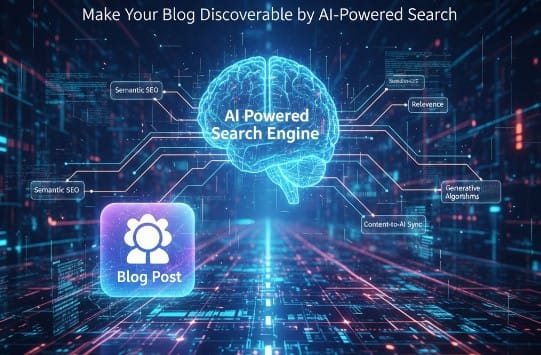
Introduction: The Next Frontier of SEO
The rise of AI-powered search engines like ChatGPT-powered search, You.com, and Bing AI is reshaping how users discover content online. Traditional SEO is no longer enough. Enter Generative Engine Optimization (GEO)—a strategy designed to make your blog discoverable by AI algorithms, ensuring your content reaches the right audience efficiently.
Think of GEO as SEO, but smarter. Instead of focusing solely on keywords, GEO emphasizes semantic relevance, AI readability, and structured data, aligning with the way generative AI interprets and recommends content.
What is Generative Engine Optimization (GEO)?
Generative Engine Optimization (GEO) is the practice of optimizing content specifically for AI-driven search engines. Unlike conventional SEO, which targets Google’s crawlers, GEO targets AI systems that analyze context, extract insights, and summarize content for user queries.
Key Principles of GEO:
- Semantic Depth: Ensure content answers questions fully and contextually.
- Structured Data: Use headings, tables, and metadata to help AI understand your content.
- Content Authority: Incorporate references, examples, and credible sources.
- Conversational Tone: AI favors human-like, relatable content for better summarization.
Why GEO Matters in 2025
As AI search engines become mainstream, users increasingly rely on concise, AI-curated answers rather than scrolling through multiple pages. Blogs optimized for GEO are:
- More likely to appear in AI-generated summaries
- Highlighted as authoritative references
- Suggested for AI-assisted content creation tools
Example: Imagine a user asks ChatGPT: “Best tools for affiliate marketing in 2025.” Blogs optimized for GEO that include clear headings, actionable tips, and verified references are more likely to be surfaced as recommended sources.
How to Optimize Your Blog for GEO
1. Structure Your Content for AI Readability
AI algorithms prefer well-organized content. Use:
- H2/H3 headings with clear, descriptive labels
- Bullet points and numbered lists
- Tables or charts for data presentation
Actionable Tip: Break long paragraphs into 2–3 sentences and summarize key points at the start of each section.
2. Focus on Semantic Relevance
Keywords are still relevant, but context is king. AI evaluates the intent behind queries.
Actionable Tip: Include related terms and synonyms naturally in your content. For example, for a post about blogging income: “digital revenue streams,” “monetizing content,” and “affiliate marketing earnings” all support the main topic.
3. Incorporate Structured Data
Structured data helps AI parse your content efficiently. Use:
- Schema markup for articles, products, or tutorials
- FAQ sections for AI to pull direct answers
- Meta descriptions and alt text for images
Example: A GEO-optimized FAQ section about “How to build an email list” makes it easier for AI assistants to provide instant answers.
4. Enhance Content Authority
AI favors content that demonstrates expertise and trustworthiness.
Actionable Tip:
- Link to authoritative sources
- Cite statistics, case studies, and expert quotes
- Provide real-life examples and actionable steps
5. Use a Human, Relatable Tone
Generative AI highlights content that feels human and readable. Avoid overly technical jargon unless your audience requires it.
Story Example: Instead of saying, “Utilize inbound marketing strategies to enhance CTR,” write, “Use strategies like email newsletters and blog posts to attract readers and get them to click your links.”
6. Keep Content Evergreen
AI favors up-to-date, relevant content, but evergreen topics remain valuable for consistent recommendations.
Actionable Tip: Regularly update articles with new examples, statistics, and insights to maintain authority.
Tools to Help With GEO
- ChatGPT: Test how your content might be summarized by AI.
- MarketMuse: Evaluate semantic coverage of your topics.
- Surfer SEO: Combine traditional SEO with semantic analysis for AI readability.
- Schema Pro: Add structured data without coding.
Conclusion: Future-Proof Your Blog with GEO
Generative Engine Optimization is not just a trend—it’s the future of content discovery. By structuring your blog for AI understanding, focusing on semantic relevance, and maintaining human readability, you ensure your content thrives in AI-powered searches.
🔑 Question for You: Which GEO strategy will you implement first to make your blog discoverable by AI search engines?
Light CTA:
If you found this guide helpful, subscribe to our newsletter for more insights on AI-driven blogging, GEO strategies, and digital income opportunities for 2025 and beyond.