The fusion of artificial intelligence (AI) and blockchain technology is transforming the digital landscape, and nowhere is this more evident than in the world of non-fungible tokens (NFTs). Once limited to static digital art and collectibles, NFTs are now evolving into dynamic, interactive, and personalized experiences—all powered by AI.
This new generation of NFTs is not just a technological novelty; it represents real value creation, new monetization models for creators, and unprecedented engagement for collectors.
The Rise of AI-Driven NFTs
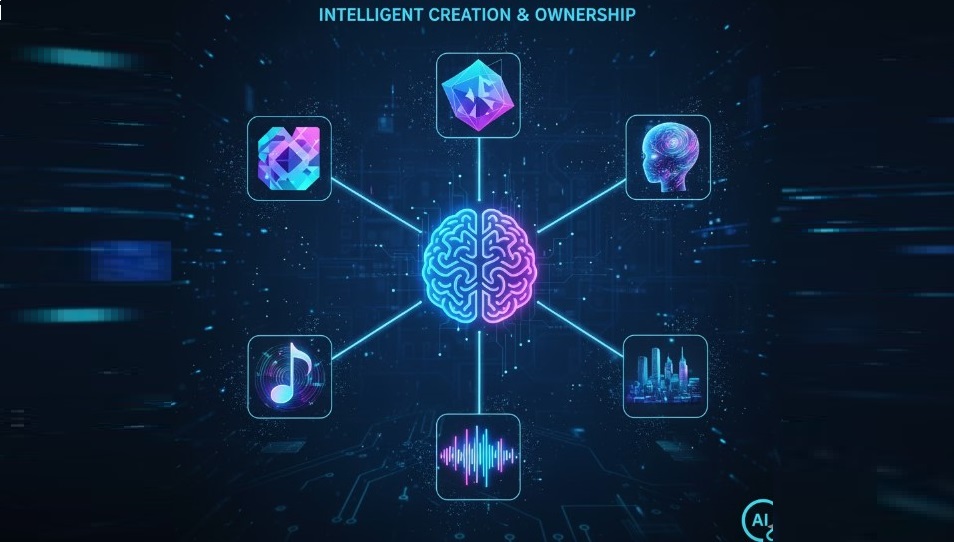
Traditionally, NFTs are digital assets stored on a blockchain, representing ownership of digital art, music, videos, or collectibles. However, their static nature often limits interactivity and adaptability. Enter AI, which is enabling NFTs to learn, adapt, and evolve, creating assets that can change over time based on user interaction or external data.
Some of the key AI applications in NFTs include:
- Generative Art – AI algorithms like GANs (Generative Adversarial Networks) can create unique pieces of art automatically, ensuring that each NFT is one-of-a-kind.
- Dynamic Content – AI can modify NFTs in real-time based on environmental inputs, user behavior, or other data streams.
- AI-Powered Market Insights – Machine learning models can predict NFT trends, suggest optimal pricing, and identify high-value collectibles.
- Interactive Experiences – AI chatbots or agents embedded in NFTs can interact with owners, offering personalized storytelling or gamified engagement.
Examples of AI-Powered NFTs
1. Art Blocks
Art Blocks is a platform specializing in generative art NFTs. Artists program algorithms that generate unique visuals for each minted NFT. AI can further enhance this process by introducing randomness, style variations, or learning from prior trends to optimize aesthetic appeal.
Experience Insight: Collectors often report a stronger emotional connection to AI-generated NFTs because each piece feels alive and unique, unlike static traditional art.
2. Async Art
Async Art takes NFTs to the next level by creating programmable, layered artworks. AI can control how individual layers respond to market trends or owner actions, making the art piece evolve over time.
Example: An NFT collector can own the “background layer” of a digital painting that changes dynamically based on time of day, season, or even cryptocurrency market fluctuations.
3. Botto
Botto is an AI artist that autonomously creates NFT art based on community feedback. The AI learns from votes to improve its style, producing artwork that resonates with collectors.
Human Insight: This collaboration between humans and AI introduces a new concept of co-creation, where the community and AI together influence the creative process, making ownership and engagement far more meaningful.
The Benefits of AI in NFTs
- Increased Creativity – AI can produce complex designs or compositions beyond human imagination.
- Enhanced Value – Dynamic and evolving NFTs can maintain or increase in value over time, unlike static collectibles.
- Scalability for Artists – AI allows creators to produce vast amounts of unique NFTs without manual effort.
- Personalized Engagement – Collectors feel more connected to NFTs that react, learn, or interact with them.
Challenges and Considerations
While AI-powered NFTs are exciting, there are important considerations:
- Intellectual Property – Who owns the rights when AI generates art autonomously?
- Environmental Impact – Generative algorithms and blockchain transactions consume significant energy.
- Market Speculation – AI does not eliminate risk; some NFTs may fail to retain value.
Navigating these challenges requires informed participation and collaboration between creators, collectors, and developers.
Conclusion
AI is reshaping the NFT ecosystem, transforming static digital assets into dynamic, interactive, and ever-evolving collectibles. For artists, it offers a scalable and innovative way to create. For collectors, it delivers a richer and more engaging experience. And for the broader Web3 economy, it opens new opportunities for value creation and digital entrepreneurship.
The future of NFTs isn’t just digital ownership—it’s living, learning, and evolving art powered by AI.