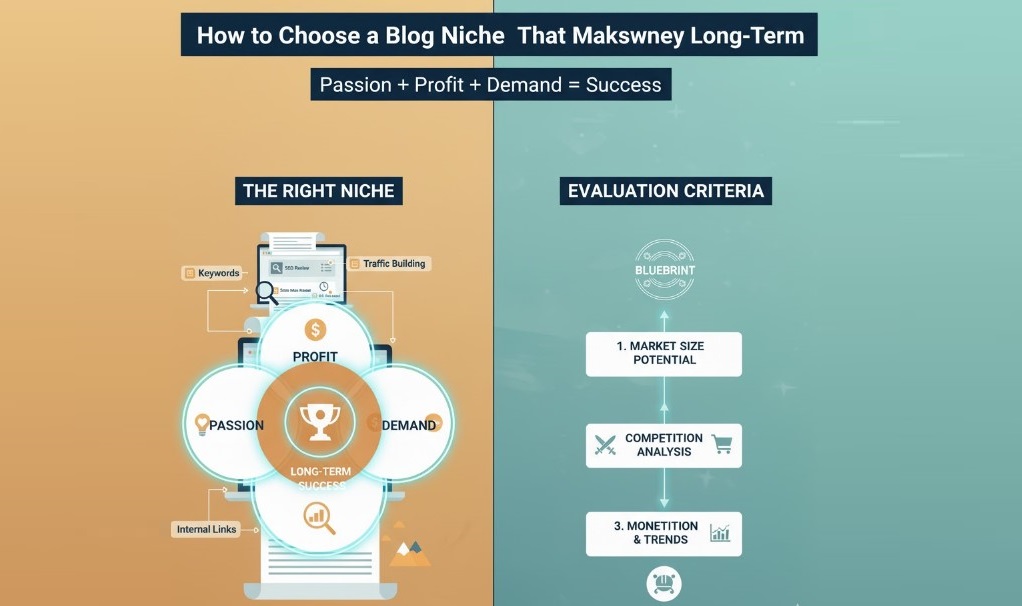
Introduction: Why Choosing the Right Blog Niche Matters
Choosing the right niche is the foundation of a successful blog. Pick the wrong topic, and even great content might fail to generate traffic or revenue. Pick the right niche, and your blog can grow sustainably, attract an audience, and monetize effectively.
“A blog niche isn’t just a topic — it’s a business decision,” says Lucas Martinez, digital marketing strategist.
“Choose wisely, and your content will work for you for years.”
This guide will walk you through how to pick a blog niche that is profitable, sustainable, and aligns with your passion and expertise.
1. Start With Your Passion and Expertise
Blogging is a long-term endeavor. Choosing a niche you enjoy and understand helps you stay consistent.
Tips:
- List topics you’re knowledgeable about
- Consider your professional experience or hobbies
- Think about the problems you can solve for others
Human example:
Emma, a finance expert, chose personal finance and budgeting as her niche. Passion and expertise allowed her to consistently produce valuable content, which eventually led to affiliate income and consulting opportunities.
2. Evaluate Market Demand
Your niche must have an audience willing to consume content and invest in solutions.
Steps:
- Research keywords with tools like Ahrefs, SEMrush, or Google Keyword Planner
- Check forums, Facebook groups, Reddit, and Quora for questions people ask
- Analyze trends using Google Trends
Pro tip: Look for a niche with steady or growing demand, not just a temporary fad.
Human insight:
Leo, a tech blogger, researched the AI productivity niche in 2024. He identified growing search interest and early monetization opportunities, positioning himself ahead of the competition.
3. Assess Profitability
Not every niche is equally profitable. Consider monetization potential:
- Affiliate marketing opportunities
- Sponsored content possibilities
- Digital product or course potential
- Services you can offer
Human example:
Amira, a wellness blogger, compared niches: fitness blogging was saturated, but holistic nutrition had higher affiliate potential and lower competition. She pivoted and built a profitable niche.
4. Analyze Competition
Evaluate existing blogs in your niche:
- Are they doing well?
- What can you do differently or better?
- Can you find a sub-niche to stand out?
Tip: Competition isn’t bad — it indicates a healthy market. Your goal is unique positioning.
Example:
David, a travel blogger, chose eco-travel within adventure travel, differentiating himself from broader travel blogs.
5. Consider Longevity and Trends
Choose a niche that is sustainable over time:
- Evergreen topics generate consistent traffic
- Avoid overly seasonal or fad niches unless you have a strategy to pivot
- Look for niches that evolve with trends but retain a core audience
Human insight:
Sophia, a lifestyle blogger, picked minimalism and sustainable living. Interest has grown steadily for years, making it a reliable long-term niche.
6. Identify Your Ideal Audience
Knowing your target audience is essential for content creation and monetization:
- Who are they? Age, occupation, interests?
- What problems do they need solved?
- How do they consume content?
Example:
Rachel, a productivity blogger, targeted young professionals struggling with time management. Her content and product recommendations were highly relevant, increasing engagement and conversions.
7. Validate Your Niche Before Launch
Test the niche to ensure it’s viable:
- Start with a few blog posts or social media content
- Measure engagement and traffic
- Gather email subscribers via a lead magnet
- Experiment with small affiliate promotions
Human insight:
Leo tested his AI tools blog with five posts before fully committing. Positive engagement confirmed the niche’s potential.
8. Combine Passion, Demand, and Profitability
The sweet spot for a blog niche is:
Passion + Market Demand + Monetization Potential = Long-Term Success
Pro tip: If you’re weak in one area, supplement with research, partnerships, or hiring expertise.
9. Common Mistakes to Avoid
- Picking a niche solely for money without interest
- Ignoring audience research and demand
- Choosing an oversaturated niche without differentiation
- Failing to plan monetization from the start
Human experiences:
Emma initially chose a generic finance niche with high competition. She pivoted to personal budgeting for beginners, finding a profitable, underserved audience.
Key Takeaways
- Align your niche with passion and expertise
- Ensure there is demand and audience interest
- Assess profitability opportunities via affiliate products, digital services, or sponsorships
- Analyze competition and differentiate with a sub-niche
- Validate the niche before full commitment
“Choosing the right blog niche is the most important step — everything else depends on it,” concludes Lucas Martinez.
Conclusion: Build a Blog That Lasts
A profitable, long-term blog niche is not random — it’s strategic, audience-focused, and sustainable.
By carefully evaluating your passion, market demand, profitability, competition, and audience, you can create a blog that:
- Attracts traffic consistently
- Monetizes effectively
- Becomes a long-term asset
“The right niche sets the stage for success. Pick wisely, and your blog will grow with you,” says Rachel Kim.