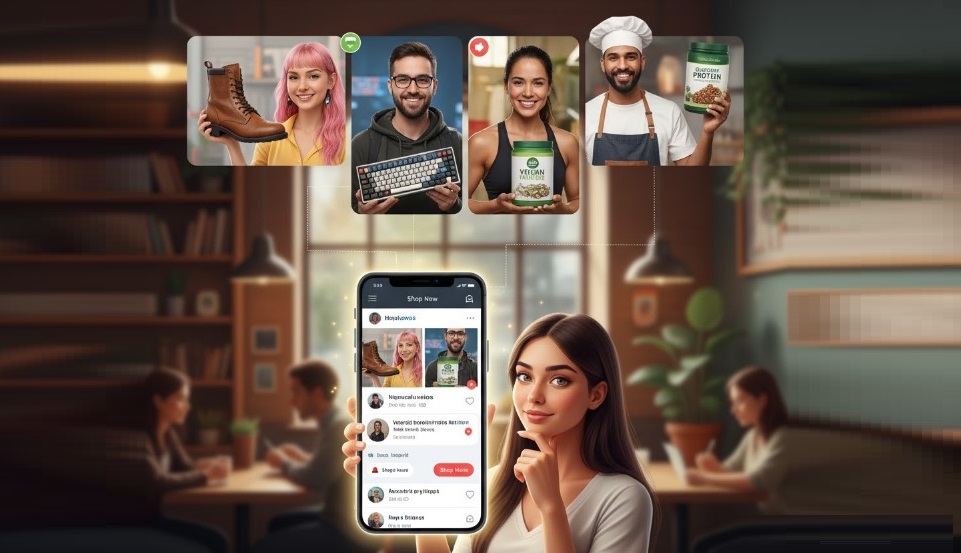
Introduction
Influencer marketing isn’t just for big brands or mass-market products — it can be extremely effective for niche products. In specialized markets, reaching the right audience requires precision, trust, and authentic messaging.
When done correctly, influencer partnerships can increase awareness, build credibility, and drive conversions for products that appeal to a focused audience.
1. Understand Your Niche Audience
Before partnering with influencers, it’s essential to define and understand your target audience:
- Demographics: Age, gender, location, income level
- Psychographics: Interests, hobbies, values, and lifestyle
- Pain points and desires: Problems your product solves or needs it fulfills
- Online behavior: Platforms and content types they consume most
Tip: A deep understanding of your niche ensures influencer campaigns are precisely targeted and highly relevant.
2. Identify the Right Influencers
For niche products, quality matters more than quantity:
- Micro-influencers (5K–50K followers): Often deliver higher engagement rates and trust in small communities.
- Niche relevance: Influencers should have authority in your product category.
- Engagement over followers: Prioritize influencers whose audience interacts genuinely with their content.
- Previous collaborations: Review past partnerships to assess professionalism and ROI.
The right influencers act as trusted advocates, amplifying your niche product to the right people.
3. Craft Authentic Campaigns
Authenticity is key for niche products:
- Product demonstrations: Show how the product solves specific problems.
- Storytelling: Encourage influencers to share personal experiences or testimonials.
- Tutorials and tips: Provide value through educational content that fits the influencer’s style.
- Exclusive offers: Use promo codes or giveaways to drive engagement and track performance.
Tip: Avoid overly scripted content — let influencers maintain their natural voice.
4. Leverage Multiple Platforms Strategically
Different platforms work better depending on your niche:
- Instagram: Visual storytelling for fashion, beauty, lifestyle, and DIY products
- TikTok: Short-form, viral content for younger audiences or trends
- YouTube: In-depth tutorials and reviews for technical or specialty products
- LinkedIn: Professional niche products targeting B2B audiences
- Pinterest: DIY, crafts, and lifestyle products for discovery-driven audiences
Platform choice should align with where your niche audience spends time.
5. Track Performance and Optimize
Measure the impact of influencer campaigns with:
- Engagement metrics: Likes, comments, shares, saves
- Traffic and conversions: Click-throughs, purchases, or sign-ups
- Audience growth: Followers gained and email subscribers collected
- Sentiment analysis: Feedback from the niche community
Tip: Use tracking links or unique promo codes to accurately measure ROI for each influencer.
6. Best Practices for Niche Influencer Marketing
- Build long-term relationships with influencers to foster trust and consistency
- Encourage creative freedom to maintain authenticity
- Communicate expectations clearly on deliverables, timelines, and compensation
- Focus on micro-targeting and relevance rather than mass reach
- Continually analyze performance and adapt campaigns for maximum effectiveness
Tip: Niche influencer marketing thrives on precision, trust, and relevance.
✅ Conclusion
Influencer marketing can be a powerful tool for promoting niche products when approached strategically. By understanding your audience, partnering with the right influencers, crafting authentic content, leveraging the right platforms, and tracking performance, brands can effectively reach highly targeted communities, build credibility, and drive conversions.
For niche products, the key is quality over quantity — connecting with the right voices ensures maximum impact and long-term growth in specialized markets.