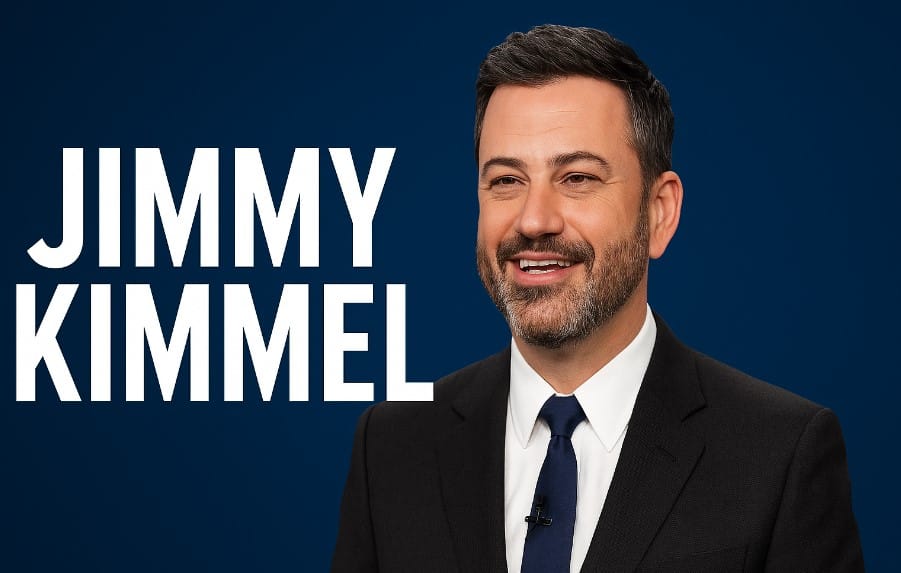
Jimmy Kimmel: Career, Achievements, and Cultural Influence
Introduction
Jimmy Kimmel is one of the most prominent figures in American late-night television, renowned for his sharp wit, satirical commentary, and cultural influence. His show, Jimmy Kimmel Live!, has long blended entertainment with social and political commentary. However, recent events have thrust him into the spotlight, highlighting the challenges media figures face in navigating the complex intersection of politics, public opinion, and entertainment.
Career Milestones
Early Career and Rise to Fame
Born on November 13, 1967, in Brooklyn, New York, Jimmy Kimmel began his career in radio before transitioning to television in the late 1990s.
- 1997: Kimmel hosted Win Ben Stein’s Money on Comedy Central, earning an Emmy Award for Best Game Show Host.
- 1999–2001: He co-hosted and co-produced The Man Show, a provocative late-night program that became a cultural touchstone.
Launching Jimmy Kimmel Live! and Continued Success
- 2003: Kimmel launched Jimmy Kimmel Live! on ABC, establishing himself as a staple of American late-night television.
- 2017: After his son underwent heart surgery, Kimmel delivered a heartfelt monologue about healthcare reform, which resonated widely with audiences and solidified his voice in political discourse.
- 2023: He hosted the Oscars for the third time, demonstrating his enduring presence and versatility in the entertainment industry.
Other Projects
Beyond his late-night show, Kimmel has produced and co-written films, released a children’s book titled The Serious Goose, and developed other creative ventures, further showcasing his range as a media personality.
Notable Interviews and Viral Moments
Memorable Interviews
- Kimmel has conducted many notable interviews, including with the cast of This Is Spinal Tap, combining humor and cultural insight.
- He has interviewed celebrities such as Timothée Chalamet, Zendaya, Austin Butler, and Florence Pugh, showcasing his ability to engage A-list talent.
Viral Segments
- Mean Tweets: Celebrities read sarcastic or humorous tweets about themselves, a segment that has gone viral multiple times.
- Other viral moments include pranks like “I Told My Kids I Ate Their Halloween Candy” and humorous fails that have amassed millions of online views.
Social and Cultural Influence
Political Commentary
Kimmel frequently blends humor with political commentary, discussing topics like healthcare, gun control, and social justice. His 2017 Las Vegas shooting monologue, where he urged healthcare reform, exemplified his ability to shape public discourse.
Cultural Critique
Segments like Mean Tweets reflect Kimmel’s commentary on social media and celebrity culture, sparking broader discussions on how digital platforms influence public perception.
Advocacy for Free Expression
Following the suspension of his show in 2025 due to controversial remarks about Charlie Kirk’s death, fellow comedians and supporters defended Kimmel’s right to free speech. This incident has prompted debate over censorship, political influence, and the responsibilities of media personalities.
Recent Controversy: Comments About Charlie Kirk
The Incident
In September 2025, ABC suspended Jimmy Kimmel Live! indefinitely after Kimmel made remarks regarding the death of conservative activist Charlie Kirk, suggesting political exploitation of the event.
Industry and Public Reaction
- Political figures, including FCC Chairman Brendan Carr, criticized Kimmel, raising questions about regulatory oversight.
- Celebrities like Ben Stiller and Wanda Sykes defended Kimmel, supporting his freedom of expression.
- Former President Donald Trump publicly celebrated the suspension, criticizing Kimmel’s talent and show ratings.
- The abrupt suspension occurred two days after the controversial monologue, and Celebrity Family Feud temporarily replaced Kimmel’s time slot.
Impact
This controversy underscores the challenges late-night hosts face when balancing satire, social commentary, and the potential for public and political backlash. It also highlights the ongoing debate about free speech, media accountability, and political influence in entertainment.
Conclusion
Jimmy Kimmel’s career has been defined by humor, cultural insight, and social commentary. From his early days on Comedy Central to hosting one of the most influential late-night shows on ABC, Kimmel has left a significant mark on television. However, recent events surrounding his comments on Charlie Kirk demonstrate the delicate balance media figures must maintain between free expression and public scrutiny. As the situation continues to evolve, it reflects broader debates over censorship, political influence, and the responsibilities of public entertainers in shaping cultural discourse.