Introduction
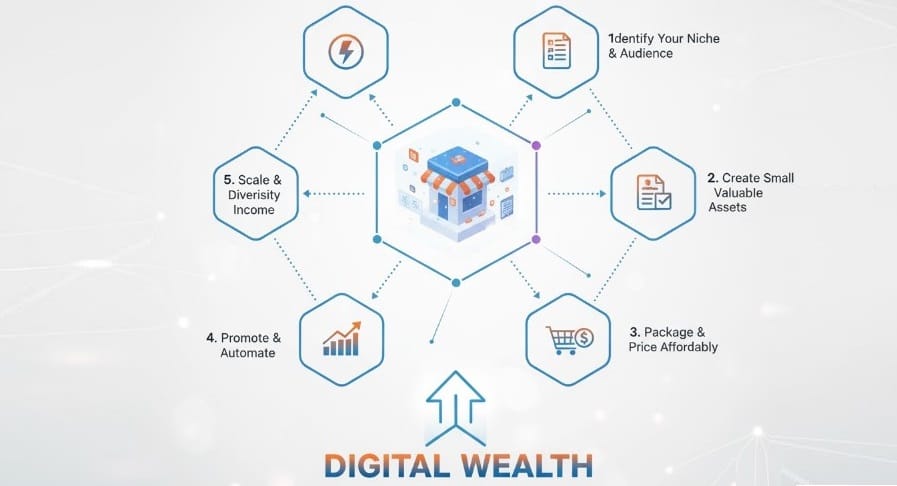
Bloggers are increasingly turning to micro-products as a way to monetize their audience without overwhelming them. A micro-product is a small, affordable, high-value digital item such as an ebook, template, checklist, mini-course, or toolkit.
This strategy allows bloggers to earn recurring revenue, test new ideas, and build trust with their audience before launching larger products or services.
⚙️ Step 1: Identify Your Audience Needs
- Conduct surveys, polls, and social media engagement to discover pain points or desires.
- Review comments, emails, and blog analytics to see which topics resonate most.
- Focus on creating micro-products that solve a specific problem efficiently.
💡 Pro Tip: Micro-products work best when they provide quick, actionable value.
⚙️ Step 2: Choose Your Micro-Product Type
Some popular options for bloggers include:
- Ebooks or Guides: Short, actionable content on niche topics.
- Templates or Checklists: Downloadable resources that save time or improve workflow.
- Mini-Courses: Bite-sized video or written lessons.
- Toolkits or Resources Lists: Curated items or software recommendations.
- Printable Worksheets: Interactive, easy-to-use formats for productivity or learning.
⚡ Tip: Start with digital products that are easy to produce and deliver online.
⚙️ Step 3: Price Your Micro-Product
- Keep the price affordable and accessible (usually $5–$50).
- Consider the perceived value vs. production effort.
- Use micro-products as entry points to higher-value products or services.
💡 Pro Tip: Pricing strategically encourages impulse purchases and builds customer loyalty.
⚙️ Step 4: Create & Deliver the Product
- Use tools like Canva, Google Docs, Notion, or Teachable to design and package your product.
- Ensure a professional look and feel to increase perceived value.
- Automate delivery with email marketing or downloadable links.
⚡ Tip: Simplicity and clarity often outperform overly complex products.
⚙️ Step 5: Promote Your Micro-Product
- Promote through your blog posts, email list, and social media channels.
- Add CTA buttons and popups on relevant blog pages.
- Leverage limited-time offers or discounts to drive initial sales.
- Consider affiliate partnerships to expand reach.
⚙️ Step 6: Analyze and Iterate
- Track sales, conversions, and audience feedback.
- Identify which products perform best and why.
- Use insights to refine existing micro-products or develop new ones.
💡 Pro Tip: Micro-products can serve as testing grounds for larger, premium offerings.
✅ Conclusion
A micro-product strategy allows bloggers to monetize their audience efficiently while providing quick, actionable value. By creating small digital products, pricing them strategically, and promoting effectively, bloggers can generate recurring revenue, grow trust, and expand their business over time.
🚀 Call to Action
Start implementing your micro-product strategy today:
- Identify your audience’s needs and pain points.
- Create a small, high-value digital product.
- Price it affordably to encourage purchases.
- Deliver professionally and automate access.
- Promote widely through blog content, email, and social media.
- Track results and refine your offerings for maximum revenue.
With this approach, micro-products can become a powerful revenue stream for your blog.