Introduction
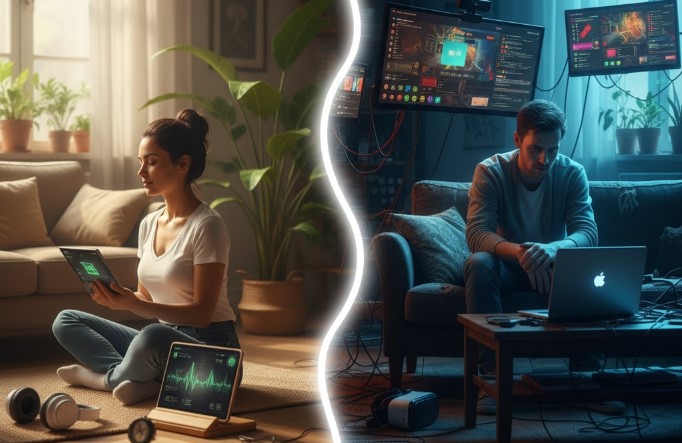
Technology has transformed our lives, making work, learning, and entertainment more accessible than ever. But constant notifications, endless scrolling, and addictive apps have also created a culture of distraction, affecting focus, mental health, and overall well-being.
Enter mindful tech: devices, apps, and digital habits designed to support wellness rather than distract. In 2025, as people seek balance in a hyper-connected world, choosing wellness-centric technology isn’t just a trend — it’s a necessity.
1. Understanding Mindful Technology
Mindful technology refers to tools that enhance life intentionally rather than consume attention mindlessly. These devices and apps are designed to:
- Reduce stress and cognitive overload
- Encourage focused work and deep thinking
- Support healthy routines and habits
- Foster awareness of digital consumption
Mindful tech is about choice and control, not avoidance.
2. The Costs of Distractive Devices
Overuse of attention-grabbing technology has measurable effects:
- Increased stress and anxiety due to constant notifications
- Reduced attention span and difficulty focusing
- Sleep disruption from blue light and late-night screen use
- Reduced productivity and impaired decision-making
- Social disconnection, despite digital connectivity
Recognizing these costs is the first step toward mindful device use.
3. Features of Wellness-Centric Devices
When selecting technology that supports wellness, look for devices and features that:
- ✅ Limit distractions: Minimalist operating systems, focus modes, and notification controls
- ✅ Encourage intentional use: Timers, daily screen limits, and app blockers
- ✅ Support physical and mental health: Wearables for sleep, meditation, or movement tracking
- ✅ Integrate with mindfulness practices: Guided breathing, digital detox reminders, or meditation apps
- ✅ Prioritize privacy and data control: Reducing stress associated with constant tracking or unwanted ads
A wellness-centric device helps you use technology with purpose, not by habit.
4. Strategies for Mindful Tech Use
Beyond hardware, your habits define your digital wellness.
a. Set Boundaries
- Schedule tech-free hours or rooms in your home
- Use Do Not Disturb modes for work or sleep
b. Choose Quality over Quantity
- Limit apps to those that serve your goals, not just entertainment
- Consolidate notifications to reduce cognitive load
c. Monitor Usage
- Track screen time and app use weekly
- Identify which apps are most distracting and adjust accordingly
d. Adopt Wellness Apps
- Meditation: Headspace, Calm
- Productivity: Forest, Focus To-Do
- Digital Detox: Freedom, Stay Focused
Mindful habits amplify the benefits of wellness-centric devices.
5. Popular Wellness-Centric Devices in 2025
- Minimalist Phones: Devices with limited apps and grayscale screens to reduce digital addiction
- Wearables: Smartwatches and fitness trackers with sleep, stress, and activity monitoring
- E-Readers: Low-blue-light e-ink devices for reading without distraction
- Noise-Canceling Headphones: Support focus and meditation
- Smart Home Wellness Devices: Lighting, air quality, and environment control for healthier living spaces
Combining these devices with intentional usage creates a tech ecosystem that supports well-being.
6. Designing a Mindful Tech Routine
- Morning: Use devices for intentional tasks (check schedule, meditation app)
- Work Blocks: Focus mode, productivity apps, and minimal notifications
- Evening: Tech wind-down — dim lights, read e-books, avoid social media
- Weekly Review: Audit usage, adjust apps, and plan mindful practices
Routine + right devices = digital balance.
7. Benefits of Mindful Tech
- Better focus and productivity
- Reduced stress and anxiety
- Improved sleep patterns
- Healthier relationships and social connections
- Empowered and intentional digital life
Mindful technology transforms digital engagement from a source of stress into a tool for growth.
✅ Conclusion
In a world dominated by constant notifications and endless scrolling, mindful tech is the antidote. By choosing wellness-centric devices and establishing intentional digital habits, you can reclaim focus, protect mental health, and live more purposefully.
Remember: technology should serve you — not the other way around. Mindful choices today lead to healthier, more balanced digital lives tomorrow.