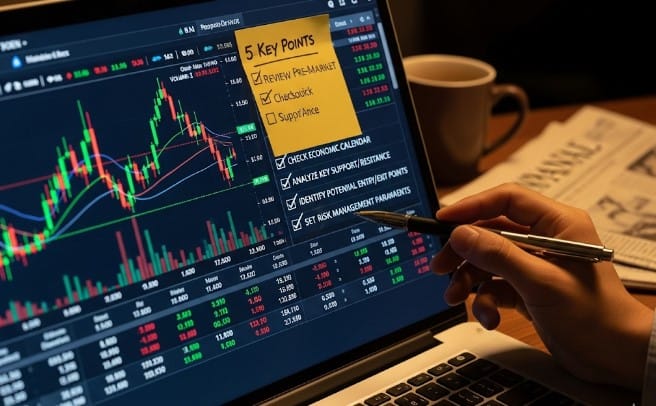
Introduction: The Rise of AI in Investment Management
Investing has evolved dramatically in 2025. Gone are the days of manual portfolio monitoring and purely human financial advice. Today, investors have access to robo-advisors and AI-powered portfolio managers, both promising smarter, faster, and more data-driven investment strategies.
But which is better for your financial goals? In this article, we’ll explore the differences, benefits, and limitations of each, helping you decide which tool is right for your investing needs.
Understanding Robo-Advisors
Robo-advisors are automated digital platforms that manage investment portfolios based on pre-set algorithms and risk profiles.
Key Features:
- Automatic portfolio rebalancing
- Tax-loss harvesting
- Goal-based investing
- Predefined risk profiles
Pros:
- Low fees compared to traditional financial advisors
- Simple and user-friendly interfaces
- Great for beginner investors
Cons:
- Limited customization beyond standard portfolios
- Less adaptive to real-time market changes
💡 Example: Platforms like Betterment or Wealthfront provide robo-advisory services that automatically adjust your investments based on risk tolerance and market trends.
Understanding AI Portfolio Managers
AI portfolio managers take investment automation further by leveraging machine learning, predictive analytics, and real-time data to actively optimize portfolios.
Key Features:
- Predictive market modeling
- Real-time adaptive portfolio adjustments
- Personalized investment recommendations based on behavior and goals
- Integration with multiple asset classes including stocks, ETFs, crypto, and alternative investments
Pros:
- Highly adaptive to changing market conditions
- Advanced analytics for more informed decisions
- Can optimize complex portfolios dynamically
Cons:
- Can be more expensive than standard robo-advisors
- Requires some understanding of AI-driven investment insights
💡 Example: Tools like Q.ai or Vise use AI to analyze market trends, predict potential opportunities, and adjust client portfolios automatically, offering a more proactive approach than traditional robo-advisors.
Robo-Advisors vs AI Portfolio Managers: Head-to-Head
| Feature | Robo-Advisors | AI Portfolio Managers |
|---|---|---|
| Automation Level | High | Very High (Adaptive AI) |
| Market Adaptivity | Low-Medium | High |
| Personalization | Moderate (based on risk) | High (goal & behavior-based) |
| Fees | Low | Moderate to High |
| Complexity | Beginner-friendly | Intermediate-Advanced |
| Investment Scope | Stocks & ETFs | Stocks, ETFs, Crypto, Alternatives |
💡 Insight: Robo-advisors are perfect for hands-off, low-maintenance investing, while AI portfolio managers offer dynamic optimization for investors seeking more tailored and proactive strategies.
How to Choose Between Them
- Assess Your Goals: Are you saving for retirement, building a diversified portfolio, or exploring alternative investments?
- Consider Your Risk Tolerance: AI portfolio managers can adapt dynamically to risk, whereas robo-advisors follow pre-set risk profiles.
- Check Your Comfort with Technology: AI tools require some understanding of advanced analytics, whereas robo-advisors are more intuitive.
- Compare Fees and Performance: Evaluate expected returns versus cost; AI tools may justify higher fees with proactive market analysis.
- Hybrid Approach: Some investors combine robo-advisors for long-term goals and AI portfolio managers for high-risk or growth-oriented investments.
Conclusion: Which Is Better in 2025?
Both robo-advisors and AI portfolio managers are transforming investing, but the “better” option depends on your financial goals, risk appetite, and tech comfort level.
- Robo-Advisors: Ideal for beginners, low-maintenance, long-term investing.
- AI Portfolio Managers: Ideal for active investors seeking real-time optimization and advanced analytics.
🔑 Interactive Question: If you could automate one aspect of your portfolio—risk management or real-time market optimization—which would you prioritize and why?
💡 CTA: Test both types of platforms with a small portion of your portfolio to see which approach aligns best with your investment goals.