Introduction
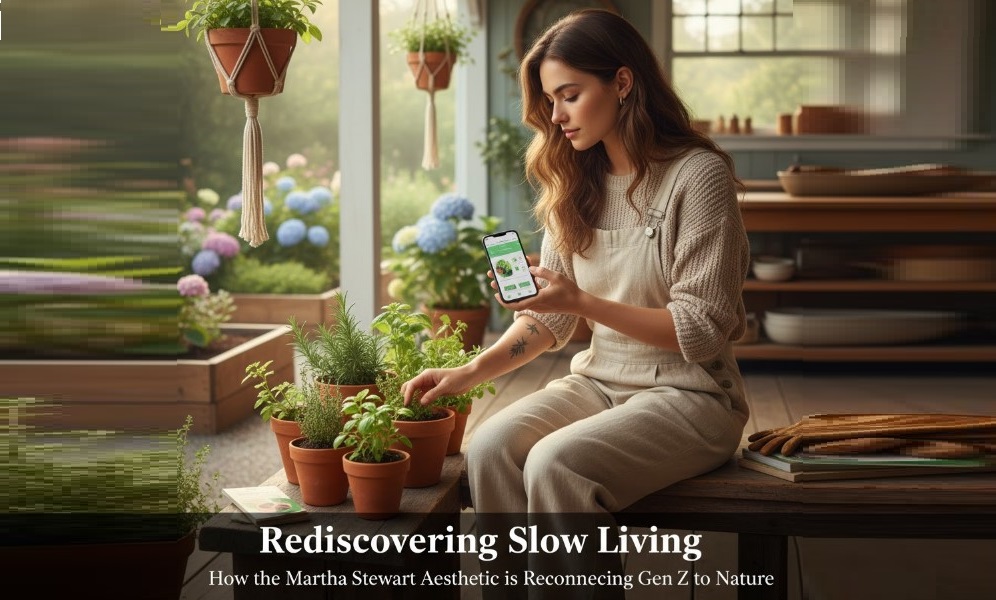
In a world dominated by fast-paced digital culture, social media, and constant notifications, Gen Z is increasingly seeking slower, more intentional lifestyles. Surprisingly, inspiration comes from an unexpected source: the Martha Stewart aesthetic — a celebration of home, garden, cooking, and craft that embodies calm, creativity, and nature-centered living.
This trend represents a cultural shift where young adults are reclaiming mindfulness, sustainability, and real-world skills, reconnecting with nature, and finding joy in simplicity.
1. The Appeal of Slow Living for Gen Z
Slow living emphasizes quality over quantity, presence over speed, and intentionality over distraction. For Gen Z:
- It offers a break from digital burnout and endless scrolling.
- Encourages hands-on engagement with food, plants, and creative projects.
- Promotes mental health, mindfulness, and well-being.
The Martha Stewart aesthetic resonates because it combines elegance, accessibility, and timeless homecraft principles that feel achievable and comforting.
2. Home & Garden as Mindful Practices
- Gardening and plant care reconnect Gen Z to seasonal rhythms and living systems.
- Cooking from scratch teaches patience, creativity, and appreciation for ingredients.
- Interior design and decluttering encourage calm, intentional spaces that reflect personal values.
These practices embody slow living, making everyday activities mindful, restorative, and rewarding.
3. Crafting, DIY, and Skill-Based Hobbies
Martha Stewart’s influence extends to hands-on crafting and DIY projects:
- Sewing, knitting, and macramé encourage focus and creativity.
- Woodworking, pottery, and home improvement projects foster problem-solving and pride in tangible results.
- Sharing creations on platforms like Pinterest and TikTok builds a community around slow, skillful living.
These hobbies allow Gen Z to disconnect from screens while building real-world skills.
4. Sustainable & Nature-Focused Lifestyle Choices
Slow living is deeply tied to environmental consciousness:
- Seasonal cooking and local sourcing reduce ecological footprint.
- Upcycling, minimalism, and repurposing materials encourage sustainable consumption.
- Outdoor exploration—gardening, hiking, and nature retreats—fosters direct connection to the natural world.
Gen Z sees slow living not only as personal well-being, but also as responsible, sustainable living.
5. Social Media Meets Slow Living
Interestingly, social media plays a paradoxical but crucial role:
- TikTok, Instagram, and Pinterest feature “slow living aesthetic” content, often Martha Stewart-inspired.
- Influencers highlight gardening tips, DIY crafts, and mindful routines, blending inspiration with guidance.
- Platforms help create online communities that normalize slow living habits.
Through curated content, Gen Z learns, shares, and celebrates slow living practices, bridging traditional aesthetics with modern digital culture.
6. Mental Health & Mindfulness Benefits
Slow living provides measurable benefits:
- Reduces anxiety and stress by promoting intentional daily routines.
- Encourages presence and focus through tactile activities like cooking, gardening, and crafting.
- Builds gratitude and appreciation for natural rhythms, seasonal foods, and handmade items.
By embracing this lifestyle, Gen Z finds balance between fast digital life and mindful, grounded experiences.
7. The Martha Stewart Aesthetic as a Cultural Touchstone
Martha Stewart’s influence remains relevant because it embodies:
- Timelessness — blending classic skills with contemporary lifestyles.
- Accessibility — her methods are practical for small apartments, tight budgets, and modern schedules.
- Elegance & intentionality — creating beauty in everyday life through simple, skillful practices.
This aesthetic inspires a generation to slow down, engage creatively, and reconnect with their environment.
✅ Conclusion
Rediscovering slow living through the Martha Stewart aesthetic allows Gen Z to escape digital overload, reconnect with nature, and embrace mindful, intentional living. By gardening, cooking, crafting, and curating their home environments, young adults cultivate well-being, sustainability, and creative satisfaction.
In an era of speed and instant gratification, the slow living movement offers a refreshing, timeless counterbalance, blending practical skills, environmental consciousness, and aesthetic beauty for a generation seeking meaningful connection with the world around them.