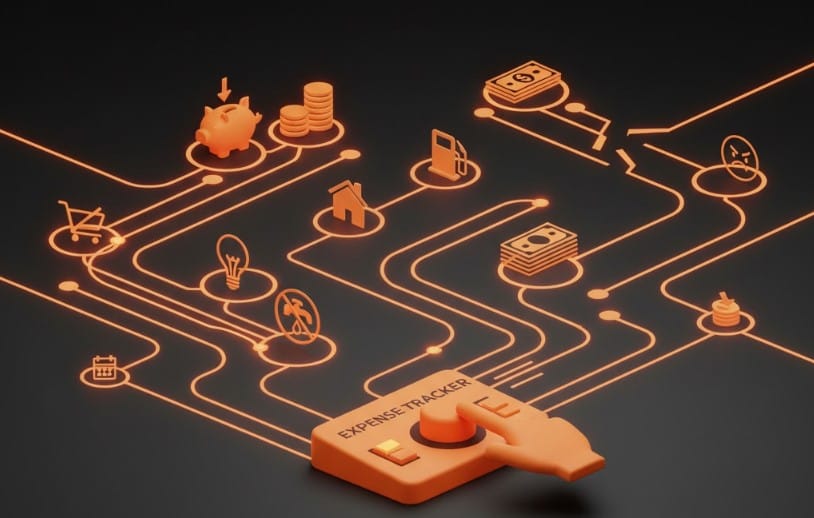
Tracking expenses is one of the simplest yet most powerful habits for gaining financial clarity and control. Many people struggle with budgeting because they don’t know where their money goes — and without that knowledge, achieving financial goals becomes nearly impossible.
This guide will teach you how to track your expenses effectively, understand spending patterns, and make smart decisions that support financial growth.
1. Understand Why Expense Tracking Matters
Expense tracking helps you:
- See exactly where your money is going
- Identify unnecessary or impulsive spending
- Set realistic budgets and savings goals
- Reduce financial stress by knowing your cash flow
Awareness is the foundation of financial control — you cannot improve what you do not measure.
2. Start With a Clear Goal
Before tracking, define your purpose:
- Are you trying to reduce debt?
- Build an emergency fund?
- Save for a specific goal like a vacation or home?
Your goal will guide which spending habits to monitor closely and which adjustments will have the most impact.
3. Categorize Your Expenses
Divide your spending into meaningful categories to make tracking easier:
- Fixed expenses: Rent, mortgage, insurance, subscriptions
- Variable expenses: Groceries, utilities, transportation
- Discretionary spending: Dining out, entertainment, hobbies
- Savings & investments: Retirement, emergency fund, short-term savings
Categorizing helps you see which areas offer the most potential for adjustment.
4. Use the Right Tools
Technology makes expense tracking effortless:
- Apps: Mint, YNAB, PocketGuard, Simplifi
- Spreadsheets: Google Sheets or Excel for customizable tracking
- Bank statements & credit card summaries: Review monthly statements for consistency
Choose a tool that fits your lifestyle — simplicity is better than complexity if it means you’ll stick with it consistently.
5. Track Every Expense, No Matter How Small
Small purchases add up. Coffee, snacks, or online subscriptions may seem minor but can represent hundreds of dollars per month.
- Record every transaction daily or weekly
- Include cash spending, not just card payments
- Check receipts or bank statements to ensure nothing is missed
Consistency is more important than perfection — the habit itself builds financial awareness.
6. Review and Analyze Regularly
Tracking isn’t enough — you must analyze the data to make informed decisions.
- Compare actual spending to your budget
- Identify recurring unnecessary costs
- Look for patterns: impulse purchases, seasonal spikes, or subscription creep
- Adjust your budget based on real insights
This turns raw data into actionable financial intelligence.
7. Set Spending Limits and Alerts
Once you know your patterns, establish limits for each category:
- Set a monthly cap for dining out or entertainment
- Use app alerts to notify you when approaching limits
- Reward yourself when staying under budget
Spending limits keep your finances in control without creating guilt or stress.
8. Automate Where Possible
Automation reduces human error and saves time:
- Automate bill payments to avoid late fees
- Set recurring transfers to savings accounts
- Use apps that categorize and track expenses automatically
Automation ensures consistency and allows you to focus on decisions that matter rather than tracking every small transaction manually.
9. Adjust and Evolve Over Time
Your financial situation changes — income increases, expenses fluctuate, goals shift.
- Revisit your tracked expenses monthly
- Adjust categories and limits as needed
- Set new goals based on insights from previous months
A dynamic approach keeps your tracking effective and relevant.
10. Turn Tracking Into a Habit
The ultimate goal is to make expense tracking a consistent habit, not a temporary project.
Tips to stick with it:
- Schedule a weekly review session
- Make tracking simple and convenient
- Celebrate small wins when you identify and reduce unnecessary spending
Habitual tracking builds financial awareness, discipline, and confidence.
Conclusion
Tracking expenses effectively is the backbone of smart finance. It empowers you to see your spending clearly, make informed decisions, and reach your financial goals faster.
Start today: pick one method, track consistently, and review weekly. Over time, you’ll transform your money habits from reactive to strategic and intentional, giving you control and peace of mind.
Smart finance begins with awareness — and awareness begins with tracking.