Introduction
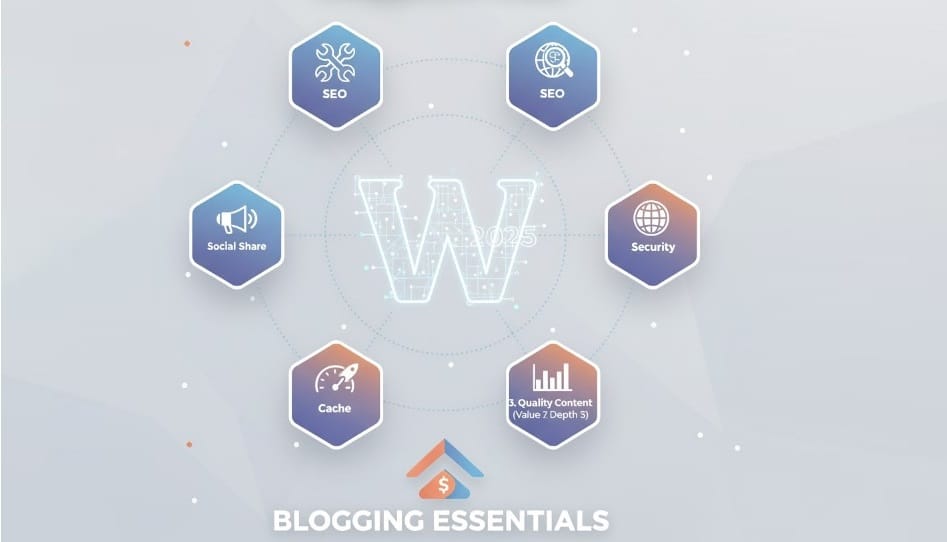
Starting a blog in 2025 is exciting, but choosing the right tools can make the difference between a slow, insecure site and a fast, professional-looking blog that attracts readers. WordPress plugins are essential for enhancing functionality, boosting SEO, and improving the overall user experience.
For new bloggers, free plugins are a perfect starting point — they allow you to grow your blog without upfront costs while still offering professional-grade features. In this guide, we’ll explore the best free WordPress plugins that every beginner should consider in 2025.
⚡ 1. SEO Optimization Plugins
Yoast SEO
- Why it’s essential: Helps optimize your content for Google with on-page SEO analysis, meta tags, readability suggestions, and XML sitemaps.
- Best for: Beginners who want a clear roadmap for improving search rankings.
Rank Math
- Why it’s essential: Offers advanced SEO tools like keyword optimization, schema markup, and automated SEO suggestions.
- Best for: Bloggers looking for a more in-depth SEO solution.
💡 Tip: Choose one SEO plugin only to avoid conflicts.
⚡ 2. Performance and Speed Plugins
WP Super Cache
- Purpose: Improves website speed by caching pages for faster loading.
- Benefit: Better user experience and improved Google rankings.
Smush
- Purpose: Optimizes images without losing quality to improve load times.
- Benefit: Reduces bounce rates and keeps your blog fast on all devices.
⚡ 3. Security Plugins
Wordfence Security
- Purpose: Provides firewall protection, malware scanning, and login security.
- Benefit: Keeps your blog safe from hacks and attacks.
Sucuri Security
- Purpose: Monitors for malware, blacklisting, and website integrity issues.
- Benefit: Peace of mind for new bloggers without advanced security knowledge.
⚡ 4. Contact and Engagement Plugins
WPForms Lite
- Purpose: Allows creation of contact forms with drag-and-drop simplicity.
- Benefit: Makes it easy for readers or clients to reach you.
MonsterInsights Lite
- Purpose: Connects Google Analytics to your blog for visitor tracking.
- Benefit: Understand your audience and optimize content for engagement.
⚡ 5. Social Sharing and Growth Plugins
AddToAny Share Buttons
- Purpose: Adds customizable social sharing buttons to your posts.
- Benefit: Helps your content reach wider audiences organically.
Mailchimp for WordPress
- Purpose: Integrates email subscription forms to grow your mailing list.
- Benefit: Builds a direct connection with your readers for promotions and updates.
⚡ 6. Backup and Maintenance Plugins
UpdraftPlus
- Purpose: Automates backups to cloud storage like Google Drive or Dropbox.
- Benefit: Ensures you can restore your blog if anything goes wrong.
Broken Link Checker
- Purpose: Finds broken links that harm SEO and user experience.
- Benefit: Keeps your blog professional and search-engine-friendly.
🧠 Tips for Using Plugins Effectively
- Avoid overload: Too many plugins can slow your site. Focus on essentials first.
- Keep plugins updated: Outdated plugins can cause security vulnerabilities.
- Test compatibility: Ensure new plugins don’t conflict with your theme or other plugins.
- Use only free plugins initially: Premium plugins can be added later as your blog grows.
✅ Conclusion
Starting your WordPress blog in 2025 doesn’t have to be complicated or expensive. By using the right free plugins, new bloggers can optimize SEO, improve performance, secure their site, and engage their audience effectively.
Remember, quality over quantity — choose plugins that add real value to your blog and focus on creating high-quality content alongside these tools.
🚀 Call to Action
- Install the essential SEO plugin (Yoast or Rank Math).
- Optimize your site speed with caching and image compression.
- Protect your blog with security plugins like Wordfence or Sucuri.
- Add contact forms and analytics to understand and engage your audience.
- Grow your email list and social reach with Mailchimp and sharing plugins.
By following this approach, new bloggers in 2025 can create a fast, secure, and professional blog that is ready for growth and monetization.