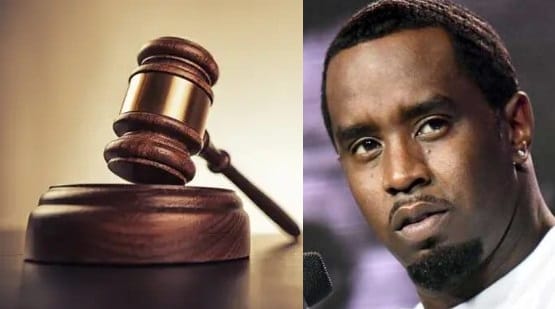
Introduction: Why the World Is Googling “Diddy Sentencing”
In October 2025, the internet exploded with searches like “Has Diddy been sentenced?” and “What did Sean Combs get convicted of?”
Sean “Diddy” Combs — rapper, producer, and entrepreneur — once built an empire around music and luxury. But in 2025, his story took a sharp turn as he stood before a federal judge in New York, facing serious criminal charges.
The sentencing marked not only a legal milestone but also a cultural one — a reckoning with fame, accountability, and public perception in the digital age.
1. What Diddy Was Sentenced For
On October 3, 2025, Diddy was sentenced to 50 months in federal prison (4 years and 2 months) for two counts of transporting individuals across state lines for prostitution, in violation of the Mann Act.
He was also fined $500,000 and given five years of supervised release after prison.
⚖️ Key Details:
- Judge: Arun Subramanian (Southern District of New York)
- Charges convicted: Two counts under the Mann Act
- Charges dropped: More severe ones, including sex trafficking and racketeering (RICO)
Diddy’s legal team argued for leniency, citing charitable work and cooperation. The prosecution, however, emphasized years of exploitation and abuse allegations.
2. What Is the “Mann Act”?
Many people searched “What is the Mann Act?” after the verdict.
The Mann Act, passed in 1910, makes it a federal crime to transport anyone across state lines for prostitution or “immoral purposes.” In Diddy’s case, prosecutors alleged he organized and financed such travel over several years.
He was not convicted of human trafficking or racketeering, but the Mann Act violations alone carry significant penalties — and the court decided on a mid-range sentence of 50 months.
3. How Long Is 50 Months in Jail, Really?
“How long is 50 months in jail?” became one of the top Google searches after the sentencing.
👉 50 months = 4 years and 2 months.
However, because Diddy was arrested in September 2024 and has been detained since then, the judge credited him with time served — about 13 months.
➡️ Estimated remaining sentence: roughly 3 years, depending on conduct and federal good-behavior credits.
4. The Role of Judge Arun Subramanian
Judge Arun Subramanian — appointed to the federal bench in 2023 — presided over the case. Known for his sharp questioning and balanced tone, Subramanian’s decision aimed to reflect both accountability and restraint.
He noted that Diddy’s actions showed a “pattern of manipulation and control” but also recognized his previous charitable work and lack of prior convictions.
This nuanced sentencing immediately fueled public debate: Was it too harsh or too lenient?
5. From Fame to Felony: Why This Case Shocked Fans
Diddy’s rise — from a Harlem intern at Uptown Records to global mogul and multi-millionaire — has long been a rags-to-riches story celebrated in hip-hop culture.
That’s why the trial felt surreal.
Witness testimonies, including statements tied to Cassie Ventura, painted a darker picture behind the luxury lifestyle. Allegations described violent behavior, coercive relationships, and “freak-off” events — shocking fans who grew up on Diddy’s music and brand.
The sentence wasn’t just a personal fall — it sparked conversations about power, celebrity accountability, and toxic masculinity in entertainment.
6. The Internet’s Obsession: Why Everyone’s Searching Diddy
The following searches spiked after the October sentencing:
- “Diddy sentencing live”
- “Has Diddy been sentenced yet?”
- “Diddy release date”
- “What was Diddy convicted of?”
- “What is the Mann Act?”
Why the obsession?
Because the Diddy case sits at the intersection of celebrity culture, true crime, and social media curiosity.
People aren’t just consuming news — they’re analyzing, debating, and reacting to it in real time.
Even platforms like TMZ, Reddit, and TikTok amplified the buzz, creating a loop of speculation and misinformation — making accurate reporting more essential than ever.
7. Legal Terms People Keep Googling (Explained Simply)
The Mann Act
As explained, this U.S. law bans transporting people for prostitution or illegal sexual activity. Diddy’s conviction is based on violating this statute.
Racketeering / RICO
A law aimed at dismantling organized criminal enterprises. Diddy was acquitted on these charges.
Time Served
Credit for time already spent in custody before the sentence — meaning Diddy will serve less than 50 months in total.
8. What Happens Next
- Appeal? Diddy’s legal team has not yet announced whether they’ll appeal.
- Prison location: The Bureau of Prisons will determine where he serves his term — likely a medium-security facility.
- Release date: Tentatively projected for mid-2028, depending on behavior and sentence credits.
- Future prospects: Diddy faces multiple civil lawsuits that could extend the public fallout beyond his criminal sentence.
9. Lessons Beyond the Headlines
Whether you’re a fan or a casual observer, the Diddy case raises deeper cultural questions:
- How do power and privilege shape accountability?
- Can celebrity status coexist with genuine justice?
- What does rehabilitation look like in the public eye?
The story reminds us that fame does not exempt anyone from consequence — and that public opinion moves faster than court proceedings.
10. How Creators & Bloggers Can Cover Trending Legal Topics Responsibly
If you run a blog or digital platform, covering high-profile cases like Diddy’s can drive massive traffic — but credibility is everything.
✅ Actionable Tips:
- Always verify facts with multiple sources (Reuters, AP, Guardian).
- Avoid sensationalism or assumptions.
- Explain legal jargon simply — readers love clarity.
- Add ethical commentary: talk about justice, responsibility, or culture, not gossip.
- Update your post regularly as new facts emerge.
Conclusion: A Fall That Redefined Fame
The Sean “Diddy” Combs case isn’t just another celebrity scandal — it’s a cultural mirror.
It exposes how power, ego, and unchecked privilege can unravel even the biggest names. It also shows that digital audiences crave truth, not tabloid spin.
Whether you see this as justice served or a cautionary tale, one thing’s clear — this story will continue to shape discussions about fame, money, and morality well into 2026.
🔑 Question for You: Do you think celebrity power protects people from justice — or is this a turning point for accountability in entertainment?
Light CTA:
If you found this analysis insightful, share it with others or subscribe to get more deep-dive articles connecting digital culture, law, and finance — written for the 2025 reader who wants clarity over noise.