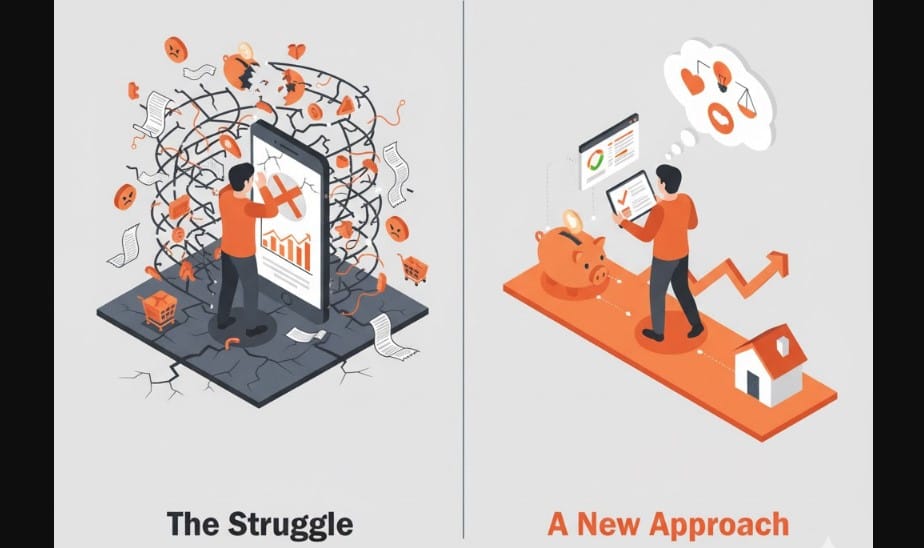
Side hustles have become a cornerstone of the modern digital economy. They promise extra income, freedom, and skill-building, yet they come with unique emotional challenges that can affect motivation, productivity, and financial success.
Understanding the emotional triggers of side hustling is essential to maintain balance, avoid burnout, and ensure your side hustle thrives.
Whether you freelance, run an online business, or manage multiple income streams, emotions play a major role in how effectively you work, manage finances, and make strategic decisions.
1. Fear of Inadequacy
One of the most common triggers for side hustlers is the fear of not being good enough:
- “Am I skilled enough to compete?”
- “Will clients or customers reject me?”
- “Can I balance this with my main job?”
This fear can lead to procrastination, underpricing services, or avoiding opportunities, directly affecting income potential.
Solution: Focus on skill growth, small wins, and progress over perfection. Celebrate milestones and remind yourself that competence grows with experience.
2. Imposter Syndrome
Imposter syndrome often accompanies side hustlers, especially when starting a new venture:
- Feeling like a fraud despite results
- Comparing yourself to more experienced peers
- Believing success is “luck” rather than effort
This emotional trigger can prevent scaling your hustle or taking risks that lead to higher revenue.
Tip: Track accomplishments and client feedback objectively. Reframe your narrative: you earned your place through effort and skill.
3. Burnout and Overcommitment
Side hustlers are notorious for juggling multiple responsibilities. Emotional triggers here include:
- Guilt for taking breaks or downtime
- Anxiety over deadlines
- Pressure to constantly produce results
Burnout not only affects mental health but reduces creativity, productivity, and decision-making, limiting growth.
Solution: Schedule rest intentionally, delegate tasks when possible, and create realistic goals for sustainable work.
4. Financial Anxiety
Side hustles often have unpredictable income streams, which can create stress:
- Worrying about inconsistent payments
- Comparing side hustle income to primary income
- Fear of failure affecting household finances
Financial anxiety can trigger avoidance behaviors, like not investing in growth, procrastinating, or undercharging.
Tip: Maintain a separate budget for side hustle income and build a small cash buffer to reduce pressure.
5. Motivation vs. Obsession
Passion for a side hustle is valuable, but emotional triggers can blur the line between motivation and obsession:
- Overworking late nights or weekends
- Sacrificing personal time and relationships
- Feeling constantly “on the clock”
Healthy boundaries ensure the side hustle supports your life rather than controls it.
6. Social Comparison and Validation Seeking
Many side hustlers are influenced by social media or peer benchmarks:
- Seeing others’ success triggers envy or self-doubt
- Validation seeking can shift focus from meaningful work to external approval
Solution: Focus on personal goals, measure progress against yourself, and limit exposure to comparison triggers.
7. Emotional Awareness as a Strategy
Managing these emotional triggers is key to side hustle success:
- Identify triggers: Track feelings during work and financial decision-making
- Reflect: Determine if emotions are helping or hindering productivity
- Reframe: Transform fear, stress, or comparison into constructive motivation
- Plan: Build systems, routines, and support to reduce reactive decision-making
Emotional intelligence is just as important as financial strategy in side hustling.
Conclusion
Side hustling is more than a financial endeavor — it’s an emotional journey.
Understanding and managing your emotional triggers ensures that your side hustle is sustainable, profitable, and aligned with your life goals.
When you balance emotion, mindset, and strategy, you not only grow your income but also develop resilience, clarity, and long-term success.