A surprise inheritance. A big bonus. A viral side hustle payout.
No matter how it comes, a sudden windfall—money you didn’t expect—can feel like winning the life lottery. But psychologists and financial planners agree: windfalls are emotionally charged events, not just financial ones.
Most people think money changes their situation. In truth, it reveals their relationship with it.
1. The Emotional Shock of Sudden Money
When a financial windfall lands, the first response isn’t logic—it’s emotion. Excitement, relief, disbelief, and even guilt can hit all at once.
This emotional surge can lead to impulsive decisions: spontaneous purchases, generosity to friends, or quitting a job overnight.
Research shows that people who receive sudden wealth—lottery winners, athletes, or even entrepreneurs—often revert to old financial patterns within a few years. The reason? They emotionally spend before they emotionally adapt.
2. The Brain on Windfalls: Dopamine and Reward
Our brains are wired for short-term reward. A sudden inflow of money activates the same pleasure centers triggered by winning, gambling, or romantic excitement.
This dopamine rush creates the illusion that spending equals celebration and control.
That’s why windfalls can trigger:
- Overconfidence: “I can afford anything now.”
- Disconnection: “This money doesn’t feel real.”
- Fantasy Thinking: “This will solve everything.”
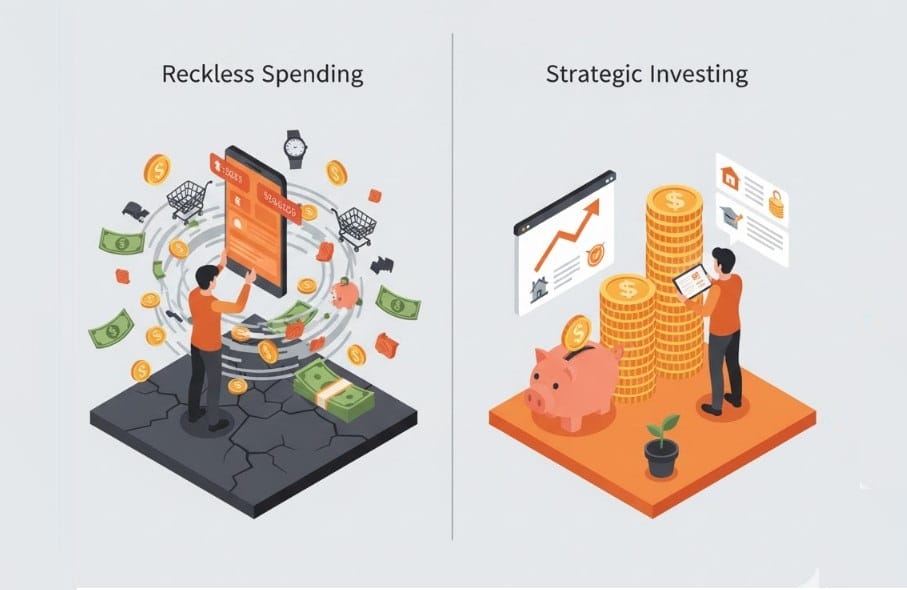
Without conscious grounding, people treat windfalls like temporary highs, not strategic opportunities.
3. Sudden Wealth Syndrome: When Abundance Feels Unsafe
Psychologists describe “Sudden Wealth Syndrome (SWS)” as the anxiety, guilt, or confusion that can follow a major financial gain.
Symptoms often include:
- Feeling undeserving or anxious about wealth
- Fear of losing it all
- Over-giving or “people pleasing” to relieve guilt
- Paranoia about being used or judged
Wealth doesn’t always create peace—it magnifies existing emotional patterns.
If you had a scarcity mindset before, more money can amplify fear. If you tied self-worth to income, abundance can feel disorienting.
4. How Early Money Beliefs Shape Windfall Behavior
Our childhood money experiences heavily influence how we react to sudden wealth.
For example:
- If you grew up in financial instability, you might spend fast out of fear it’ll disappear.
- If your family valued saving over enjoyment, you might feel guilty spending at all.
- If you were taught money equals love or power, you may use it to gain approval or control.
Understanding these beliefs is key to making calm, conscious choices with unexpected wealth.
5. Emotional Triggers After Receiving a Windfall
| Trigger | Emotional Response | Behavioral Risk |
|---|---|---|
| Relief | “Finally, I can relax.” | Overspending on comfort purchases |
| Guilt | “I don’t deserve this.” | Giving away too much |
| Fear | “What if I lose it?” | Hoarding or over-saving |
| Pride | “I’ve made it.” | Status spending |
| Pressure | “Everyone expects me to share.” | Boundary collapse |
Recognizing your dominant trigger allows you to manage wealth with intention rather than reaction.
6. The Identity Shift That Comes with Wealth
Money is tied to identity. A sudden windfall forces a psychological shift—you must integrate a new version of yourself that holds more power and possibility.
This can be destabilizing. Many experience what’s called “wealth dissonance”—a mismatch between their financial reality and emotional readiness.
You might think:
- “People will see me differently.”
- “This doesn’t feel like me.”
- “I need to spend to look successful.”
The key is to expand your self-concept to include abundance without letting it redefine your worth.
7. How to Ground Yourself After a Windfall
Before spending, pause and reflect. Consider these steps:
- Create space. Don’t make major financial decisions for 30–90 days. Let emotions settle.
- Divide the funds. Separate money into categories: immediate needs, future goals, and fun.
- Get perspective. Work with a financial advisor or therapist to avoid reactionary behavior.
- Revisit your values. Ask, “What would make this money meaningful?”
- Practice mindful spending. Use purchases to enhance long-term joy, not short-term relief.
This approach turns a temporary gain into a lasting foundation.
8. The Generosity Trap
Many recipients of sudden money feel compelled to help everyone around them. While generosity is admirable, unbound giving can become self-sabotage.
Set clear boundaries. Support others sustainably—through education, investment, or structured philanthropy—rather than impulsive generosity born of guilt.
You can be generous without being drained.
9. Turning Windfalls into Lasting Wealth
The goal isn’t to preserve every dollar—it’s to align money with purpose.
Transformative approaches include:
- Investing part of the windfall for passive income
- Paying off debt for peace of mind
- Funding personal growth (education, business, wellness)
- Creating an emergency fund to stabilize your baseline security
When windfall money becomes part of your financial ecosystem, not your emotional escape, it sustains value.
10. The Deeper Lesson: Self-Trust Over Sudden Wealth
Ultimately, managing a windfall is about self-trust, not strategy.
If you trust yourself to handle abundance wisely, every financial decision becomes an act of alignment—not fear.
True wealth isn’t in the number—it’s in your ability to stay grounded, generous, and clear-minded when the numbers change.
Sudden wealth tests what steady growth teaches: emotional intelligence creates lasting prosperity.
Conclusion
A financial windfall is more than a lucky break—it’s a mirror. It reveals your beliefs, boundaries, and readiness to hold abundance.
If managed with awareness, it can become a spiritual and financial milestone, proving that your emotional maturity can sustain wealth that luck alone could never secure.
The challenge isn’t how fast you can spend it—it’s how deeply you can integrate it into your identity and purpose.