Introduction
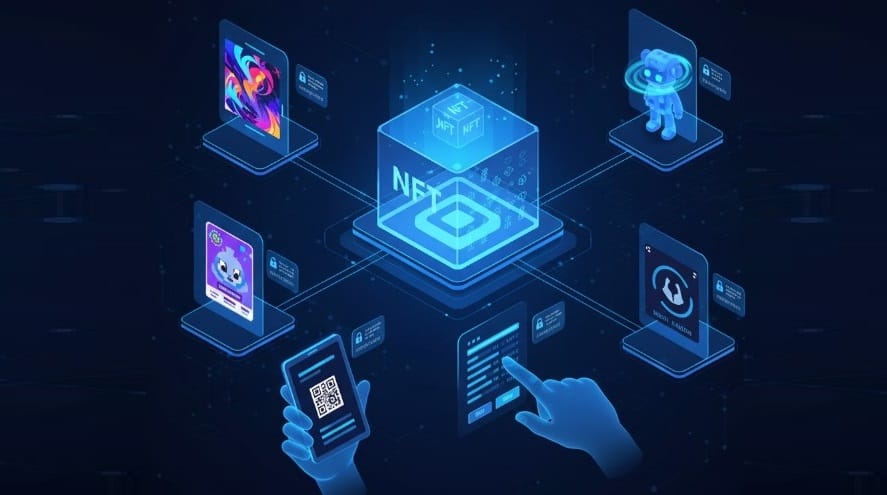
The rise of Non-Fungible Tokens (NFTs) has created a paradigm shift in the world of digital art and collectibles. NFTs are unique digital assets stored on a blockchain, representing ownership and authenticity of digital items that were previously easy to copy or replicate.
By combining technology and creativity, NFTs have empowered artists, collectors, and investors to participate in a new digital economy, where ownership, provenance, and scarcity are verifiable and secure.
1. Understanding NFTs in Digital Art
NFTs in digital art are cryptographic tokens that provide proof of ownership and authenticity of a digital creation.
- Unique Ownership: Each NFT is one-of-a-kind or part of a limited edition.
- Blockchain Verification: Ownership, history, and transfers are recorded immutably.
- Royalties for Artists: Smart contracts allow artists to earn a percentage whenever their NFT is resold, ensuring long-term revenue streams.
This system has redefined the way artists monetize their work, removing intermediaries and giving them direct access to global markets.
2. How NFTs Are Transforming Collectibles
Digital collectibles, such as trading cards, virtual pets, or in-game items, have historically been limited by platform restrictions and centralized ownership. NFTs address these issues:
- Interoperability: NFT collectibles can sometimes be used across multiple platforms or games.
- True Ownership: Collectors hold assets in personal wallets, not on a centralized server.
- Scarcity and Value: Limited editions and unique traits create rarity, driving demand and value appreciation.
Example: CryptoPunks and Bored Ape Yacht Club became highly sought-after collectibles, valued for uniqueness, community, and cultural significance.
3. NFT Marketplaces for Art and Collectibles
NFT marketplaces act as hubs for trading, buying, and selling digital art and collectibles:
- OpenSea: The largest NFT marketplace, covering art, collectibles, and gaming assets.
- Rarible: Focused on community-driven NFT creation and sales.
- Foundation: Dedicated to digital artists seeking curated exposure.
- SuperRare: High-quality digital art platform emphasizing uniqueness and limited editions.
These marketplaces allow global reach, secure transactions, and transparent ownership history, fostering trust between creators and buyers.
4. Benefits of NFTs in Digital Art and Collectibles
- Global Access for Artists: Artists can sell work directly to international buyers without galleries.
- Monetization Through Resales: Smart contracts automate royalties on secondary sales.
- Verification of Authenticity: Blockchain ensures that digital items cannot be duplicated or faked.
- Community and Engagement: NFT collectors often gain access to exclusive experiences, events, or communities.
- Investment Opportunities: Scarcity and cultural value create potential long-term appreciation.
5. Challenges in NFT Art and Collectibles
Despite their benefits, NFTs also face challenges:
- Market Volatility: NFT prices can fluctuate dramatically, influenced by hype and speculation.
- Environmental Concerns: Energy-intensive blockchains can impact sustainability, though proof-of-stake networks reduce this footprint.
- Intellectual Property Issues: Copying or tokenizing someone else’s work without permission remains a concern.
- Regulatory Uncertainty: Laws around NFT ownership, taxation, and trading are still evolving.
Investors, artists, and collectors must approach the space carefully, with research and due diligence.
6. The Future of NFTs in Digital Art and Collectibles
NFTs are likely to continue evolving, merging with emerging technologies and cultural trends:
- Metaverse Integration: NFT art and collectibles can be displayed or used in virtual worlds.
- Dynamic NFTs: Art that changes based on interactions, events, or ownership history.
- Cross-Platform Collectibles: NFTs may gain more interoperability between games, apps, and social platforms.
- Institutional Adoption: Museums, galleries, and brands may increasingly tokenize rare digital works.
The combination of blockchain technology, creativity, and community is driving a new era where digital ownership is both tangible and tradable.
Conclusion
NFTs are reshaping the landscape of digital art and collectibles, providing authenticity, scarcity, and monetization opportunities for creators and collectors alike.
For artists, NFTs open doors to a global audience and direct revenue, while collectors gain verifiable ownership of unique digital items. As technology, adoption, and regulations evolve, NFTs will continue to play a transformative role in the digital creative economy.