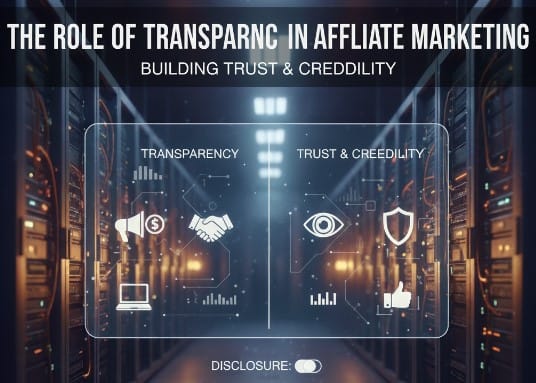
Introduction: Why Transparency Builds Trust 🪞
Affiliate marketing has grown into a multi-billion-dollar industry, but with growth comes greater scrutiny. In 2025, audiences are smarter, regulators are stricter, and trust is everything.
The days of dropping hidden affiliate links are over. Consumers expect creators and marketers to be upfront about how they make money. And if you want to succeed long-term, transparency isn’t optional — it’s your competitive advantage.
Let’s explore why transparency matters, what it looks like in practice, and how it can transform your affiliate marketing efforts.
What Does Transparency Mean in Affiliate Marketing?
Transparency in affiliate marketing means being honest and upfront about your financial relationships with the products or services you promote.
It’s not just about legal disclaimers — it’s about openly communicating:
- When you use affiliate links.
- Why you recommend a product.
- How your audience benefits (not just you).
👉 Example: Instead of hiding your links, you can say: “I may earn a commission at no extra cost to you if you decide to purchase through my link. I only recommend tools I use and trust.”
Why Transparency Matters
1. Trust Is the Currency of Affiliate Marketing 💎
People buy from those they trust. If your audience suspects hidden motives, your credibility collapses — along with your conversions.
2. Compliance with Regulations ⚖️
The FTC (Federal Trade Commission) and many international regulators require clear disclosures. Failure to comply could result in fines or reputational damage.
3. Long-Term Relationships 🌱
Brands and affiliate networks prefer working with marketers who treat their audiences ethically. Transparency positions you as a reliable partner.
What Audiences Expect in 2025
- Clear disclosures: No fine print. Plain language wins.
- Contextual honesty: Disclosures should appear near affiliate links, not hidden at the bottom.
- Authenticity: People want to know you actually believe in what you recommend.
👉 Case study: A travel blogger who started adding short, friendly disclosures at the start of each post (“Some links are affiliate links — they help keep my coffee fund alive!”) saw no dip in engagement — in fact, readers appreciated the honesty.
Best Practices for Transparent Affiliate Marketing
1. Use Simple, Direct Language 🗣️
Avoid jargon. Instead of “monetized link,” say:
- “This post contains affiliate links.”
- “I earn a commission if you buy through this link.”
2. Place Disclosures Strategically 📍
- At the top of blog posts or videos.
- Near affiliate links within content.
- In social media captions and descriptions.
3. Be Honest About Your Recommendations 💯
Don’t promote something just for the commission. Share your real experience — the good and the bad. Audiences respect authenticity.
4. Create a Dedicated Disclosure Page 📑
Include a full explanation of your affiliate relationships and link to it from your footer or About page. This reinforces your credibility.
The Risks of Hiding Affiliate Links ❌
- Legal fines: The FTC has penalized influencers and brands for non-compliance.
- Loss of trust: Once your audience feels misled, regaining their trust is nearly impossible.
- Damaged reputation: Transparency is part of your brand — protect it.
Conclusion: Transparency Is Your Superpower 🌟
Affiliate marketing isn’t just about promoting products — it’s about building trust-driven relationships. Transparency helps you comply with regulations, foster credibility, and show your audience that you care more about helping them than making a quick sale.
In the end, honesty isn’t just ethical — it’s profitable.
🔑 Do you think being 100% transparent about affiliate links makes audiences more likely to trust your recommendations? Why or why not?
✅ Light CTA: Want more tips on building trust (and commissions) with your audience? Subscribe to the Affiliate Growth Newsletter and get a free checklist of the Top 10 Transparency Practices every affiliate should follow in 2025.