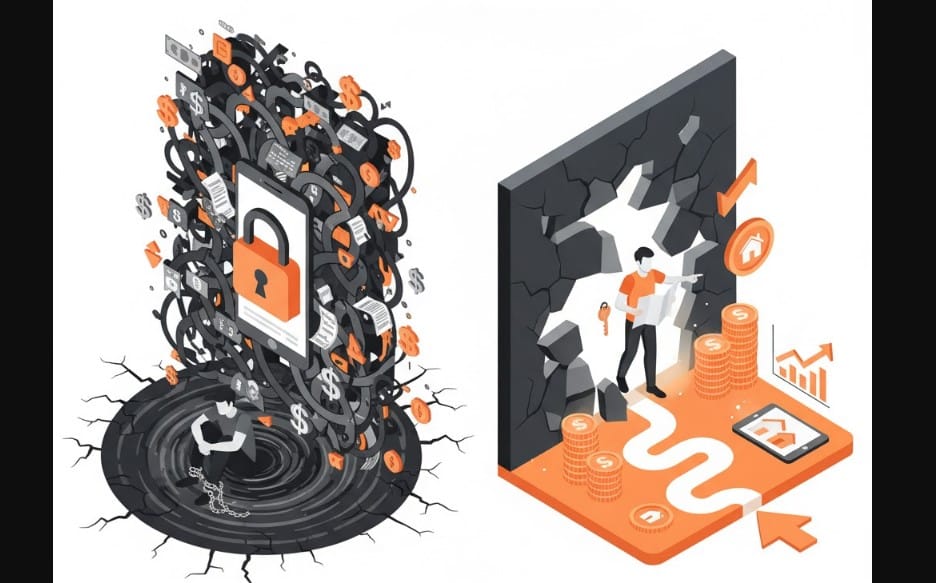
If you’ve ever avoided checking your bank balance or delayed opening a bill, you’re not alone.
Financial avoidance is one of the most common — and most damaging — money habits people fall into.
It’s the silent cycle of ignoring finances out of fear, guilt, or overwhelm… only to face greater stress later.
But here’s the truth: avoiding your finances doesn’t protect you — it prolongs the problem.
This article explores why financial avoidance happens, how it affects your well-being, and how to build the courage to take back control.
1. What Is Financial Avoidance?
Financial avoidance means deliberately avoiding money-related tasks or conversations because they trigger anxiety or shame.
It shows up in subtle ways:
- Ignoring bills or bank notifications
- Avoiding budget apps or statements
- Feeling panic at the thought of debt
- Delaying financial planning or taxes
Behind all of it is an emotional truth — fear of facing reality.
2. The Psychology Behind Avoidance
Money is emotional.
It’s tied to safety, identity, and self-worth — which means our past experiences with money shape how we treat it today.
Common emotional roots include:
- Shame: “I should be doing better financially.”
- Fear: “What if the numbers are worse than I think?”
- Overwhelm: “I don’t even know where to start.”
Avoidance provides temporary relief from those feelings — but that relief comes at a cost.
3. The Hidden Costs of Avoiding Your Finances
When you avoid money, you lose control over it.
Over time, this creates:
- Missed payments and rising debt
- Damaged credit score
- Increased anxiety and loss of confidence
- Missed opportunities for investment or savings
- Chronic financial stress that affects your health and relationships
Ironically, what we fear most — financial chaos — is exactly what avoidance creates.
4. Facing the Fear: Small Steps to Regain Control
Breaking free starts with small, intentional steps that reduce emotional resistance.
Step 1: Acknowledge the Fear
Write down what specifically scares you about money. Is it debt, lack of control, or shame?
Naming your fear gives you power over it.
Step 2: Start with Awareness
Look at one financial area only — your bank balance, your spending last week, or a single bill.
Awareness replaces fear with clarity.
Step 3: Set Up a “Money Date”
Schedule a weekly 20-minute session to review your finances.
Make it enjoyable — add coffee, music, or a candle. Turn anxiety into routine.
Step 4: Use Simple Systems
Try minimalist budgeting apps like YNAB, Monarch Money, or Goodbudget.
Automation helps you focus on action instead of emotion.
Step 5: Replace Judgment with Curiosity
When you catch yourself saying, “I’m bad with money,” replace it with, “I’m learning how to understand money.”
Self-compassion fuels consistency.
5. Emotional Strategies to Stay Consistent
- Practice mindfulness: Ground yourself before checking finances.
- Visualize progress: Track wins, not just problems.
- Talk about it: Share with a trusted friend or financial coach.
- Journal triggers: Notice when avoidance shows up — and what emotion caused it.
The more you face your finances, the easier it becomes to stay consistent and confident.
6. Escaping the Trap — For Good
Financial avoidance thrives in silence.
The moment you face your finances, you break the cycle.
Over time, you’ll notice:
✅ Less stress when checking your balance
✅ More awareness of spending habits
✅ Better decisions for future goals
The goal isn’t perfection — it’s progress.
Each small, honest action rewires your relationship with money from fear to empowerment.
Conclusion
Avoiding your finances doesn’t make problems disappear — it makes them multiply.
Facing your money, even imperfectly, gives you the freedom to make choices instead of reacting to fear.
Remember: financial courage isn’t about being rich — it’s about being aware.
The path to financial peace begins with one brave look at your bank account.