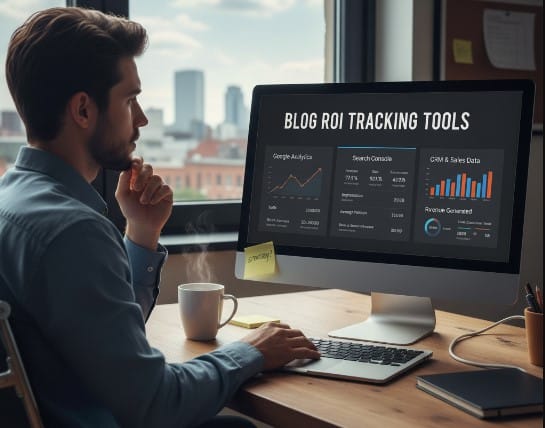
Introduction: Why Tracking Blog ROI Matters
Running a blog without measuring ROI is like sailing without a compass—you might be moving, but you don’t know if you’re heading in the right direction.
Take Hanan, a lifestyle blogger. She had hundreds of visitors per month but wasn’t sure which posts generated income. After implementing tracking tools, she discovered that a single evergreen post was her primary revenue driver, allowing her to double income with minimal extra effort.
Tracking ROI is essential to:
- Identify high-performing content
- Optimize monetization strategies
- Avoid wasting time on low-impact activities
- Make data-driven decisions for growth
Step 1: Understand What to Measure
Before choosing tools, define key metrics:
- Traffic Metrics: Pageviews, sessions, and visitor sources
- Conversion Metrics: Email signups, product purchases, affiliate clicks
- Revenue Metrics: Affiliate commissions, sponsored posts, product sales
- Engagement Metrics: Bounce rate, time on page, social shares
Tip: Clear goals help you pick the right tools and focus on what really matters.
Step 2: Use Analytics Tools for Traffic & Engagement
1. Google Analytics 4 (GA4)
- Track sessions, pageviews, bounce rate, and user demographics
- Set up conversion goals for email opt-ins, downloads, and purchases
- Insight: See which blog posts drive the most traffic to affiliate links
2. Google Search Console
- Monitor keyword rankings and organic search performance
- Identify top-performing pages by impressions and clicks
- Insight: Optimize underperforming content for better ROI
3. Hotjar / Crazy Egg
- Heatmaps and session recordings show user behavior
- Identify which parts of posts drive clicks or engagement
- Insight: Improve layout and CTA placement to increase conversions
Step 3: Track Affiliate & Monetization Metrics
1. Affiliate Networks Dashboards
- Amazon Associates, ShareASale, CJ Affiliate, and Impact provide real-time earnings data
- Track clicks, conversions, and commissions per link
2. ThirstyAffiliates or Pretty Links (WordPress Plugins)
- Shorten, cloak, and track affiliate links
- Monitor clicks per link and page performance
3. Podia / Teachable / Gumroad
- Track course and digital product sales
- See customer journey and purchase patterns
Step 4: Use ROI-Specific Tools
1. Google Data Studio / Looker Studio
- Combine traffic, engagement, and revenue data in one dashboard
- Visualize trends and ROI for each blog post
- Insight: Quickly identify content that generates the highest return
2. Baremetrics or ProfitWell (for subscription products)
- Track recurring revenue, churn, and customer lifetime value
- Insight: See which products or services are most profitable
Step 5: Analyze & Act
Once you collect data:
- Identify top-performing posts → optimize them for better conversions
- Repurpose successful content → create similar posts or lead magnets
- Cut low-performing content → focus effort on high ROI activities
- Test CTAs and funnels → tweak placement, wording, and format
Story Example: Ahmed noticed a single affiliate review post generated 40% of monthly revenue. By creating a series of related tutorials, he doubled the traffic and tripled affiliate sales within two months.
Step 6: Maintain Consistent Tracking
- Check metrics weekly or monthly
- Update dashboards to include new affiliate programs or revenue streams
- Use automation for recurring reports to save time
Common Mistakes to Avoid
❌ Only tracking traffic without conversions
❌ Ignoring affiliate link performance
❌ Not segmenting data by source, post, or product
❌ Failing to update dashboards as new revenue streams are added
Conclusion: ROI Tracking Turns Data Into Income
Knowing how your blog generates revenue is essential for scaling. By tracking traffic, conversions, and affiliate performance using the right tools, you can optimize your strategy, focus on high-impact content, and maximize long-term income.
🔑 Question for You: Which tool could you implement this week to start tracking your blog’s ROI more effectively?
Light CTA:
If this guide helped, share it with a fellow blogger. Tracking your blog’s ROI today builds smarter decisions and higher profits tomorrow.