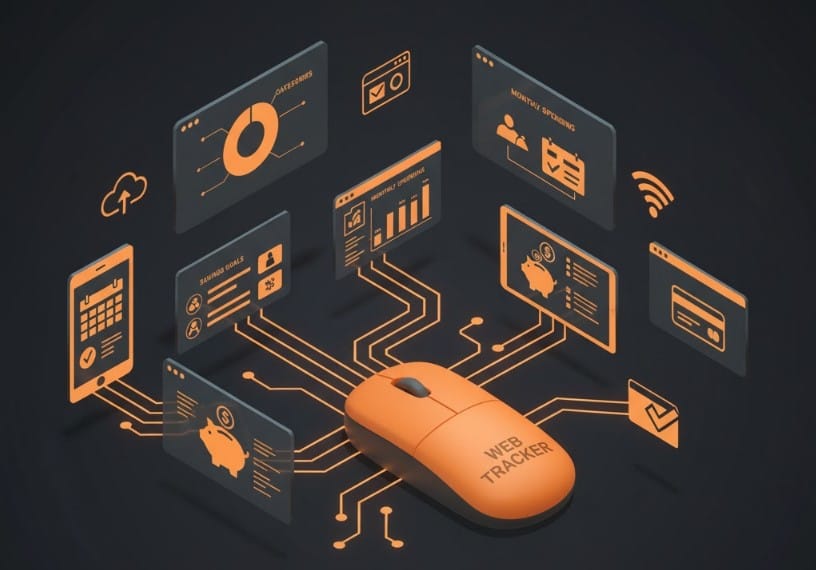
Managing your finances effectively starts with knowing exactly where your money goes. Tracking personal expenses is a critical step for anyone looking to save more, reduce unnecessary spending, and achieve financial goals.
In 2025, numerous online tools make this process easier than ever, combining automation, reporting, and intuitive design. Below are the top web tools for tracking personal expenses online, including their key features and ideal use cases.
1. Mint by Intuit
Mint is a free, user-friendly platform that automatically imports and categorizes transactions from bank accounts, credit cards, and bills.
Key Features:
- Automated expense categorization
- Budget creation and tracking
- Credit score monitoring
- Personalized insights and alerts
Best For: Beginners who want an all-in-one solution with minimal setup.
2. YNAB (You Need A Budget)
YNAB uses a zero-based budgeting approach, giving every dollar a purpose. It emphasizes proactive financial planning and habit building.
Key Features:
- Zero-based budgeting system
- Real-time syncing with bank accounts
- Goal tracking for savings and debt
- Monthly reports for spending analysis
Best For: Users committed to disciplined budgeting and long-term financial planning.
3. PocketGuard
PocketGuard simplifies budgeting by showing how much disposable income you have after bills, goals, and necessities.
Key Features:
- Automatic transaction tracking
- Spending insights and recommendations
- Net income visualization
- Free and premium versions
Best For: People who want a clear overview of daily spending limits.
4. Goodbudget
Goodbudget is a digital envelope budgeting system, perfect for those who prefer manual tracking without linking bank accounts.
Key Features:
- Envelope-based budgeting
- Multi-device syncing
- Monthly reports and goal tracking
- Free and paid options
Best For: Users who want hands-on budgeting control without automatic bank integration.
5. MoneyWiz
MoneyWiz offers a comprehensive suite of tools for budgeting, expense tracking, and reporting.
Key Features:
- Multi-currency support
- Bank integration
- Detailed financial reports
- Available on macOS, iOS, and Android
Best For: Users needing a robust and detailed financial management tool.
6. Monarch Money
Monarch Money provides a fully customizable dashboard for tracking spending, savings, and investments.
Key Features:
- Multi-user support for households
- Personalized financial dashboards
- Ad-free experience with strong privacy
- Detailed budgeting and goal tracking
Best For: Couples or families managing finances together.
7. Splitwise
Splitwise is designed for shared expenses among roommates, friends, or travel groups.
Key Features:
- Track shared bills and debts
- Automated balance calculation
- Receipt scanning and currency conversion (premium)
Best For: Groups managing shared costs with ease.
8. Expensify
Expensify is ideal for both personal and business expense tracking.
Key Features:
- Receipt scanning and automated categorization
- Integration with accounting software
- Reimbursement and reporting tools
Best For: Freelancers and small business owners.
9. Zoho Expense
Zoho Expense is cloud-based software for automated expense recording and reporting.
Key Features:
- Integration with accounting systems
- Automated expense approvals
- Detailed analytics and reporting
Best For: Individuals or small business owners seeking professional-level tracking.
10. Money Manager
Money Manager is a simple mobile app for tracking expenses and managing assets.
Key Features:
- Expense and budget tracking
- Asset management
- Android app with a straightforward interface
Best For: Users looking for a mobile-first, simple solution for personal finance management.
How to Choose the Right Expense Tracking Tool
When selecting a tool, consider:
- Ease of Use – Choose an intuitive interface to stay consistent.
- Features – Match the tool’s features with your goals (budgeting, savings, reporting).
- Integration – Check if it syncs with your bank accounts and financial institutions.
- Cost – Compare free vs. paid features to find the best fit.
Conclusion
Tracking personal expenses online is no longer tedious. With the right tools, you can gain financial clarity, reduce unnecessary spending, and achieve your financial goals faster.
Experiment with a few tools, choose the one that fits your lifestyle, and start turning insights into action today.