Introduction: Why Repeat Sales Matter
Acquiring new customers is important, but retaining existing ones is more profitable. Research shows that repeat customers spend 3–5 times more than first-time buyers.
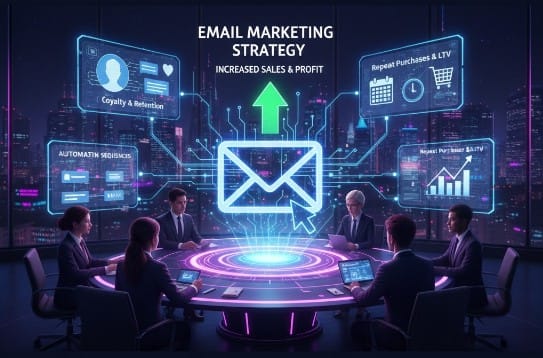
Email marketing remains one of the most effective tools for driving repeat sales in 2025. When done right, it can nurture relationships, build loyalty, and turn casual buyers into lifelong customers.
Step 1: Build a Quality Email List
Start with permission-based, engaged subscribers:
- Collect emails at checkout, pop-ups, and blog sign-ups
- Offer incentives like discounts, free guides, or exclusive content
- Segment based on behavior, purchase history, or demographics
Example: Sarah, who sells handmade jewelry, offers a 10% discount for newsletter sign-ups. Subscribers who received personalized emails purchased again within 30 days at a rate 40% higher than non-subscribers.
Step 2: Segment Your Audience
Segmenting allows you to send highly relevant messages:
- New vs Returning Customers
- High-Value vs Low-Value Buyers
- Behavior-Based Segments: Cart abandoners, product viewers, repeat buyers
Example: Alex sent targeted emails to customers who purchased fitness accessories last month. By promoting complementary items, he increased repeat purchases by 25%.
Step 3: Personalize Your Emails
Personalization boosts engagement and conversions:
- Use first names in subject lines and greetings
- Recommend products based on past purchases
- Send birthday or anniversary discounts
Example: Lily sends personalized recommendations for eco-friendly candles based on previous orders. Personalized emails generated 30% more repeat purchases than generic campaigns.
Step 4: Use Automated Email Workflows
Automation saves time and ensures timely communication:
- Welcome Series: Introduce your brand and encourage first repeat purchase
- Post-Purchase Follow-Up: Request reviews, offer related products
- Abandoned Cart Emails: Remind customers to complete their purchase
- Re-Engagement Emails: Win back inactive customers
Example: John implemented a post-purchase workflow for his swimwear store. Customers who received follow-ups with product suggestions returned within two weeks, increasing revenue by 15%.
Step 5: Create Compelling Content
Make your emails valuable and engaging:
- Highlight new arrivals, special offers, or seasonal promotions
- Use eye-catching visuals and clear CTAs
- Include educational or entertaining content related to your products
Example: Emma sells skincare products and sends weekly tips on healthy skin, along with product recommendations. Subscribers stay engaged, and repeat purchases rose 20% year-over-year.
Step 6: Optimize Send Times and Frequency
- Test different times and days to see when customers open and act
- Avoid over-emailing to prevent unsubscribes
- Use behavior-triggered emails for higher relevance
Example: A fashion store tested sending promotional emails on Thursday mornings versus Sunday evenings. Thursday emails consistently had higher click-through rates, boosting repeat purchases.
Step 7: Measure, Analyze, and Improve
Track key metrics to optimize your campaigns:
- Open rate and click-through rate
- Conversion rate from email
- Repeat purchase rate and customer lifetime value
Example: After analyzing her email campaign, Sarah discovered product recommendation emails had the highest repeat sales. She increased investment in this strategy, further boosting revenue.
Conclusion: Email Marketing is the Key to Customer Retention
In 2025, email marketing is more than just sending promotions—it’s about building relationships, personalizing experiences, and encouraging repeat purchases. By segmenting, personalizing, automating, and analyzing your campaigns, you can turn one-time buyers into loyal, high-value customers.
🔑 Interactive Question: What type of email campaign would you start first to increase repeat sales—personalized recommendations, abandoned cart reminders, or loyalty rewards? Share your choice below!
CTA: Start building targeted email campaigns today and turn your existing customers into repeat buyers. Smart email marketing is one of the most cost-effective ways to boost revenue in 2025.