Introduction
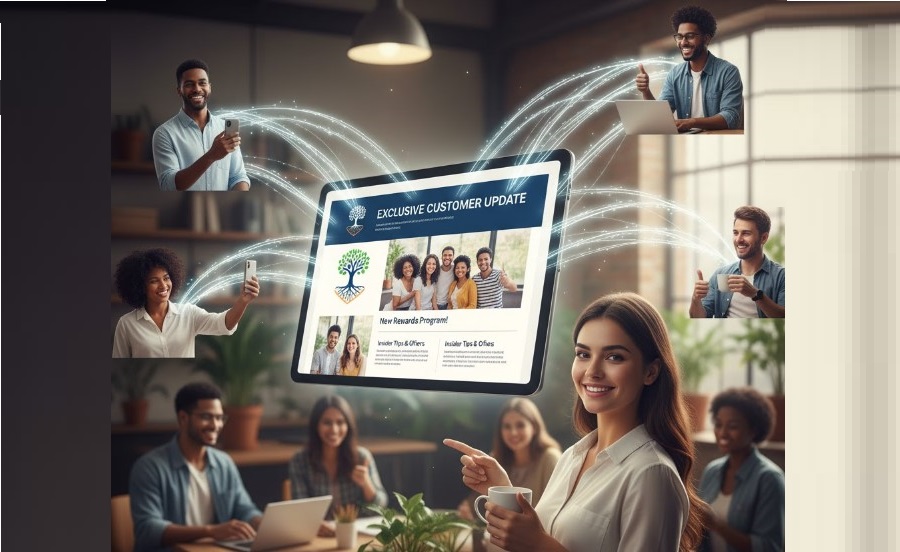
Email newsletters remain one of the most effective channels for building customer loyalty. Unlike social media, email provides a direct line of communication to your audience, allowing brands to deliver personalized, valuable content consistently.
A well-executed newsletter strategy can increase engagement, drive repeat purchases, and strengthen brand relationships, turning first-time buyers into lifelong customers.
1. Why Email Newsletters Build Loyalty
- Consistent touchpoints: Regular emails keep your brand top-of-mind.
- Personalization: Tailored content resonates more deeply with recipients.
- Exclusive content and offers: Special deals, early access, and insider information increase loyalty.
- Two-way communication: Encouraging feedback and engagement fosters a sense of community.
Tip: Focus on providing value first, rather than pushing only sales messages.
2. Segmenting Your Audience
Segmentation allows for more relevant and effective newsletters:
- Demographics: Age, gender, location, and occupation
- Behavioral data: Past purchases, website visits, and engagement with previous emails
- Lifecycle stage: New subscribers, active customers, dormant users
- Preferences: Product categories, communication frequency, and content types
Segmented campaigns increase open rates, clicks, and conversions by delivering content tailored to each group.
3. Crafting Engaging Content
- Educational content: How-tos, tips, and industry insights
- Product highlights: New arrivals, top sellers, or seasonal recommendations
- Exclusive offers: Discounts, freebies, and early access
- User-generated content: Reviews, testimonials, or customer stories
- Interactive elements: Polls, quizzes, and feedback forms
Tip: Mix promotional and informative content to maintain engagement without overwhelming subscribers.
4. Personalization Strategies
- Use the subscriber’s name and preferences in emails
- Recommend products based on past purchases or browsing behavior
- Send birthday or anniversary emails with special offers
- Trigger automated emails for abandoned carts, re-engagement, or post-purchase follow-ups
Personalized emails feel relevant and considerate, boosting customer loyalty.
5. Optimizing Design and Deliverability
- Mobile-friendly layout: Most users check emails on smartphones
- Clear call-to-action (CTA): Direct readers to take the next step
- Visually appealing design: Use images, icons, and clean formatting
- Test and optimize: Subject lines, send times, and content placement
- Maintain a healthy list: Remove inactive subscribers to improve deliverability
Tip: Emails that are easy to read and act upon enhance engagement and trust.
6. Measuring Success
Track key metrics to evaluate newsletter effectiveness:
- Open rates: Indicates interest and subject line effectiveness
- Click-through rates: Measures engagement with content and CTAs
- Conversion rates: Purchases, sign-ups, or downloads generated by emails
- Retention metrics: Repeat purchases and subscriber longevity
- Feedback and surveys: Qualitative insights into customer satisfaction
Tip: Use insights to continuously refine content, timing, and targeting.
7. Best Practices for Long-Term Loyalty
- Maintain consistent sending schedule to build reliability
- Focus on value-driven content over excessive promotions
- Foster two-way communication to strengthen the relationship
- Reward loyal subscribers with exclusive perks or insider access
- Monitor engagement and adapt strategy based on analytics and feedback
Tip: Loyalty grows when subscribers feel recognized, informed, and appreciated.
✅ Conclusion
Email newsletters are a powerful tool for building a loyal customer base. By segmenting audiences, crafting engaging and personalized content, optimizing design and deliverability, and monitoring performance, brands can turn subscribers into long-term advocates.
Consistently delivering value and fostering connection through newsletters ensures customers stay engaged, loyal, and ready to support your brand over time.