Introduction
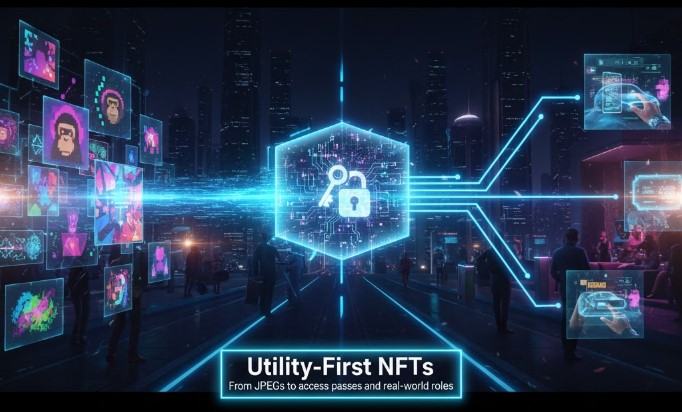
For years, non-fungible tokens (NFTs) were best known as digital collectibles and art pieces, often selling for eye-catching sums. But as the hype fades, a more meaningful wave is emerging — Utility-First NFTs.
Unlike speculative collectibles, these NFTs deliver tangible value: unlocking gated experiences, verifying identity, enabling membership access, and powering new forms of digital ownership. In 2025 and beyond, NFTs are transforming into functional assets that bridge the digital and physical worlds.
The Shift from Speculation to Utility
Early NFTs gained attention for aesthetic and speculative reasons — images, avatars, and artwork stored on blockchain. However, many lacked long-term value or practical use.
Now, the focus has shifted toward utility-first design — where NFTs serve a defined purpose from day one:
- Granting access to exclusive content or events
- Representing digital identity or credentials
- Acting as keys to online and offline experiences
- Powering loyalty, membership, or governance systems
In other words, NFTs are evolving from “collectibles” to “credentials.”
Key Types of Utility-First NFTs
🔑 1. Access Passes and Memberships
One of the most successful use cases for NFTs is membership and community access.
- NFTs act as digital keys to gated communities, private events, or premium content.
- Holders can verify ownership on-chain, removing the need for passwords or subscriptions.
Examples:
- VeeFriends by Gary Vaynerchuk offers holders exclusive conference access and business mentorships.
- PROOF Collective NFTs grant entry to private art and Web3 communities.
These NFTs provide ongoing value rather than speculative resale potential.
🎟️ 2. Event Tickets and Real-World Utility
NFTs are redefining ticketing systems by reducing fraud and secondary market manipulation.
- Each NFT ticket is verifiable and unique, ensuring authenticity.
- Organizers can reward attendance, issue digital souvenirs, or manage loyalty programs.
For instance:
- Ticketmaster and major sports leagues are experimenting with NFT-based digital tickets.
- Coachella issued lifetime festival passes as NFTs with exclusive perks.
🪪 3. Identity, Credentials, and Proof of Ownership
NFTs can represent verified digital identity or certifications:
- Diplomas, licenses, and professional credentials can be issued as NFTs.
- Property titles, car ownership, or even concert memorabilia can live on-chain.
Projects like Soulbound Tokens (SBTs) explore non-transferable NFTs that represent reputation and achievements, laying groundwork for decentralized identity systems.
💰 4. Loyalty, Rewards, and Engagement Programs
Brands are integrating NFTs into customer engagement strategies:
- NFT loyalty programs offer personalized rewards or access to product drops.
- Ownership can unlock discounts, early access, or voting rights.
Example:
- Starbucks Odyssey allows customers to earn NFT stamps for activities, redeemable for exclusive experiences.
- Nike’s .SWOOSH community uses NFTs to involve fans in co-creating digital sneakers.
🏢 5. Enterprise and Financial Applications
In finance, NFTs are being repurposed as tokenized credentials or assets:
- Representing shareholder access or governance rights in DAOs.
- Managing permissioning for B2B data access.
- Serving as identity badges for employees or contractors in decentralized organizations.
The next evolution sees NFTs integrated with AI, DeFi, and IoT ecosystems, turning them into interoperable digital identity tools.
Benefits of Utility-First NFTs
| Benefit | Description |
|---|---|
| Authenticity | Verifiable ownership through blockchain. |
| Transparency | Smart contracts define utility and track usage. |
| Engagement | Strengthens customer and community relationships. |
| Interoperability | Usable across apps, games, and metaverse platforms. |
| Security | Reduces fraud in ticketing, access, and asset ownership. |
These benefits shift NFTs from speculative trends to infrastructure-level tools for digital ecosystems.
Real-World Examples
- Reddit Avatars: NFT-based avatars that provide perks and exclusive community access.
- Adidas & BAYC Collaboration: NFT holders gain access to limited-edition merchandise and events.
- TIMEPieces by TIME Magazine: NFT ownership grants access to exclusive content and events.
- Luxury Brands (e.g., Gucci, Prada): NFTs used as digital twins for physical items, proving authenticity.
Challenges and Considerations
While the potential is vast, utility-first NFTs face key challenges:
- User Experience: Wallets and blockchain onboarding remain complex.
- Regulatory Ambiguity: NFT utility may intersect with securities or consumer laws.
- Sustainability: Energy efficiency and scalability remain ongoing priorities.
- Interoperability: Standards like ERC-6551 (token-bound accounts) are still evolving.
The industry must address these hurdles for mass adoption to take hold.
The Future of Utility NFTs
By 2030, NFTs will power much more than collectibles:
- Smart Access Tokens: Seamlessly unlocking physical spaces and digital platforms.
- Decentralized Identity: NFTs linked to verified credentials, enabling secure login and data sharing.
- AI-Personalized Utility NFTs: Dynamic NFTs that evolve based on user behavior.
- Cross-Platform Interoperability: NFT passes usable across metaverse, IoT, and finance ecosystems.
The next frontier is where NFTs move from art to infrastructure, redefining digital ownership, access, and value exchange.
✅ Conclusion
The NFT market is maturing — shifting from hype to practicality.
Utility-first NFTs are paving the way for a more connected and transparent digital world where tokens are more than art pieces — they’re functional assets that unlock access, enable identity, and power real-world engagement.
In this new era, NFTs become not just symbols of ownership, but tools of participation, bridging the gap between digital and physical experiences.