Introduction
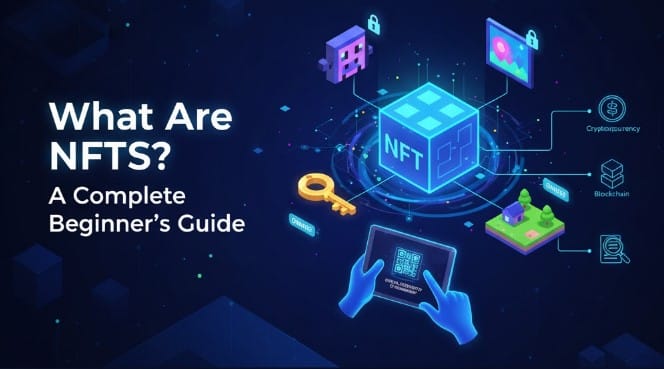
NFTs, or Non-Fungible Tokens, have emerged as one of the most talked-about innovations in the digital world. Unlike cryptocurrencies like Bitcoin or Ethereum, NFTs are unique digital assets representing ownership of a specific item, artwork, collectible, or even virtual real estate.
They have gained attention for enabling true digital ownership, creating entirely new markets in art, gaming, and the metaverse. This guide is designed for beginners who want to understand NFTs, how they work, and why they are important.
1. What Does “Non-Fungible” Mean?
The term non-fungible refers to something that is unique and cannot be replaced with something else of equal value.
- Example: A $10 bill is fungible because you can exchange it for another $10 bill.
- An NFT is non-fungible because each token has a distinct value and identity on the blockchain.
In short, NFTs are digital certificates of authenticity that prove ownership of a one-of-a-kind item.
2. How NFTs Work
NFTs are built on blockchain technology, usually Ethereum, which records every transaction in a secure, decentralized ledger.
- Minting: The process of creating an NFT.
- Ownership: Blockchain ensures that the NFT belongs to a specific wallet.
- Transferability: NFTs can be bought, sold, or traded through online marketplaces.
Smart contracts embedded in NFTs allow automatic royalty payments to the creator whenever the NFT is resold, adding a new layer of creator-driven economy.
3. Popular NFT Use Cases
a) Digital Art
Artists can tokenize their work as NFTs, selling unique pieces to collectors worldwide.
- Examples: Beeple’s Everydays: The First 5000 Days sold for $69 million.
- NFTs provide proof of ownership, scarcity, and authenticity.
b) Gaming and Virtual Assets
NFTs allow gamers to own weapons, skins, characters, or virtual land.
- Play-to-earn games like Axie Infinity or virtual worlds like Decentraland use NFTs to create tradable, valuable in-game assets.
c) Collectibles
Digital trading cards, memes, and other collectibles can be minted as NFTs.
- Example: CryptoPunks and Bored Ape Yacht Club became status symbols and high-value assets.
d) Metaverse Real Estate
NFTs can represent virtual land ownership in metaverse platforms, allowing players to buy, sell, and monetize virtual spaces.
e) Music and Media
Musicians and creators sell NFTs for albums, exclusive content, or concert tickets, giving fans direct ownership and engagement opportunities.
4. NFT Marketplaces
NFTs are bought and sold through specialized marketplaces:
- OpenSea – The largest NFT marketplace for art, collectibles, and gaming items.
- Rarible – Allows creators to mint and sell NFTs directly.
- Foundation – Focused on digital art and creative works.
Wallets like MetaMask or Coinbase Wallet are used to store NFTs securely.
5. Pros and Cons of NFTs
Pros
- True Ownership: Verified on blockchain.
- Creator Royalties: Automatic royalty payments on resale.
- Global Market: Buy and sell worldwide without intermediaries.
- Digital Scarcity: NFTs can be limited editions or unique.
Cons
- Environmental Impact: Energy usage on some blockchains.
- High Volatility: NFT prices can fluctuate dramatically.
- Scams and Fraud: Risky marketplace environment.
- Speculation: Not all NFTs hold long-term value.
6. How to Get Started with NFTs
- Create a crypto wallet (MetaMask, Coinbase Wallet).
- Fund your wallet with Ethereum or other supported cryptocurrencies.
- Choose a marketplace (OpenSea, Rarible, Foundation).
- Buy, mint, or trade NFTs while researching creators and assets carefully.
- Store securely and consider long-term strategies for investment or use.
Conclusion
NFTs are redefining digital ownership and creating opportunities for creators, gamers, and collectors alike. While still a developing ecosystem, understanding NFTs opens doors to innovative marketplaces, investment opportunities, and participation in virtual worlds.
For beginners, the key is to learn, explore, and approach with caution, balancing curiosity with research to navigate the NFT space safely.