Introduction
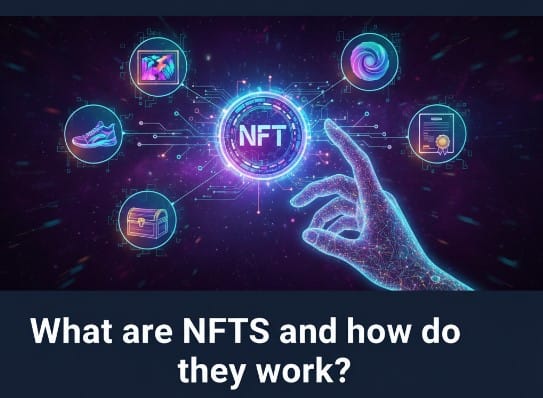
Non-Fungible Tokens (NFTs) have become one of the most talked-about innovations in digital assets. From digital art and collectibles to virtual real estate, NFTs are redefining ownership in the digital world.
But what exactly are NFTs, and how do they work? For creators, investors, and businesses, understanding NFTs is essential to navigate this rapidly evolving space in 2025 and beyond.
1. What Is an NFT?
An NFT, or Non-Fungible Token, is a unique digital asset stored on a blockchain. Unlike cryptocurrencies like Bitcoin or Ethereum, which are fungible (interchangeable with one another), NFTs are one-of-a-kind.
Example:
- A digital artwork sold as an NFT is unique, with a verifiable record of ownership on the blockchain. No one can replicate it exactly, even if copies exist online.
Key Features:
- Unique: Each NFT has a distinct identity.
- Verifiable Ownership: Blockchain ensures authenticity and provenance.
- Transferable: NFTs can be bought, sold, or traded digitally.
Actionable Tip:
- Start exploring NFT marketplaces like OpenSea, Rarible, or Foundation to see real-world examples and understand how ownership and trading work.
2. How Do NFTs Work?
NFTs are built using smart contracts on blockchains, most commonly Ethereum, but other chains like Solana, Tezos, and Polygon also support NFTs.
Step-by-Step Example:
- Creation (Minting): A digital asset (art, music, video) is converted into an NFT by recording it on the blockchain.
- Ownership Tracking: The blockchain records the NFT’s unique ID and ownership history.
- Trading & Selling: NFTs can be sold on marketplaces using cryptocurrencies.
- Royalties & Smart Contracts: Creators can earn automatic royalties every time their NFT is resold.
Actionable Tip:
- If you’re a creator, consider minting your first NFT using a small, low-cost blockchain to understand the process before scaling.
3. Why NFTs Are Valuable
The value of NFTs comes from scarcity, uniqueness, and verifiable ownership.
Examples:
- Digital artists like Beeple have sold NFT artwork for millions.
- NFT collectibles like CryptoPunks or Bored Ape Yacht Club are sought after for exclusivity and community access.
- Gaming NFTs represent in-game items that players truly own, allowing cross-platform trading.
Actionable Tip:
- Look beyond hype—consider utility, community, and rarity when evaluating an NFT’s potential value.
4. NFTs for Businesses and Creators
NFTs aren’t just for investors—they can be used strategically in business and content creation:
- Digital Art & Collectibles: Sell exclusive digital items directly to fans.
- Membership & Access: NFTs can grant exclusive access to events, content, or communities.
- Marketing & Branding: NFT drops can boost brand awareness and engagement.
- Gaming & Metaverse: Create tradable in-game assets or virtual land.
Actionable Tip:
- Explore utility-driven NFTs for your brand. Example: limited edition NFTs that double as membership cards or event tickets.
5. Risks and Considerations
NFTs are exciting but come with risks:
- Volatility: NFT prices fluctuate drastically.
- Environmental Concerns: Proof-of-Work blockchains can consume significant energy.
- Scams and Fraud: Fake projects or plagiarized art exist.
- Liquidity: Not all NFTs can be easily sold at a desired price.
Actionable Tip:
- Research projects thoroughly, check verified marketplaces, and avoid investing more than you can afford to lose.
Conclusion
NFTs represent a new era of digital ownership, combining technology, creativity, and blockchain innovation. Whether you’re a creator, collector, or business, understanding how NFTs work helps you leverage this technology responsibly.
🔑 Interactive Question:
If you could own one digital asset as an NFT, what would it be and why?
CTA:
Start exploring NFTs today—discover marketplaces, mint your first digital asset, or join NFT communities to learn and engage.